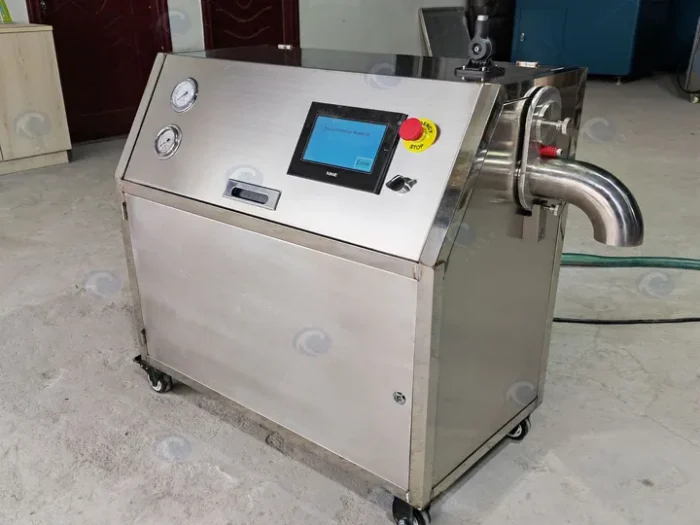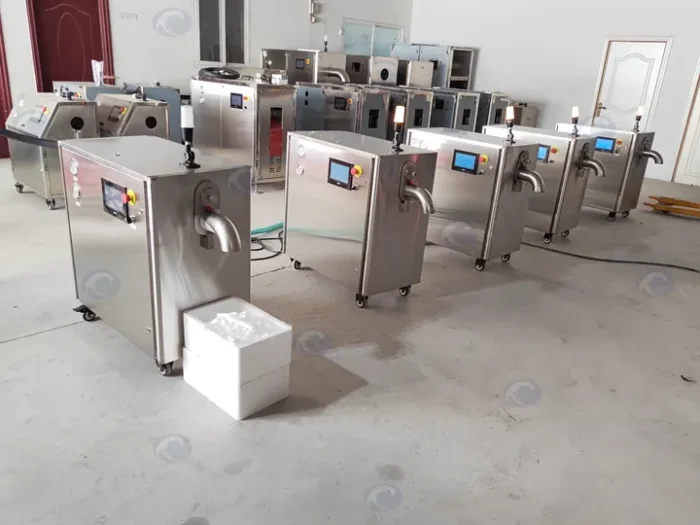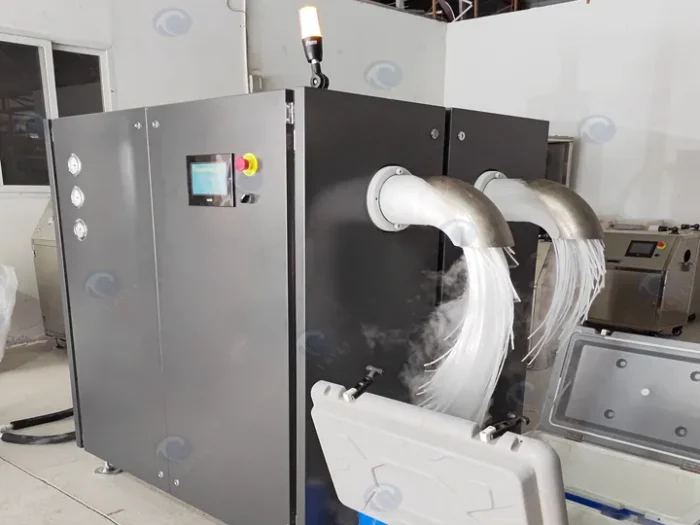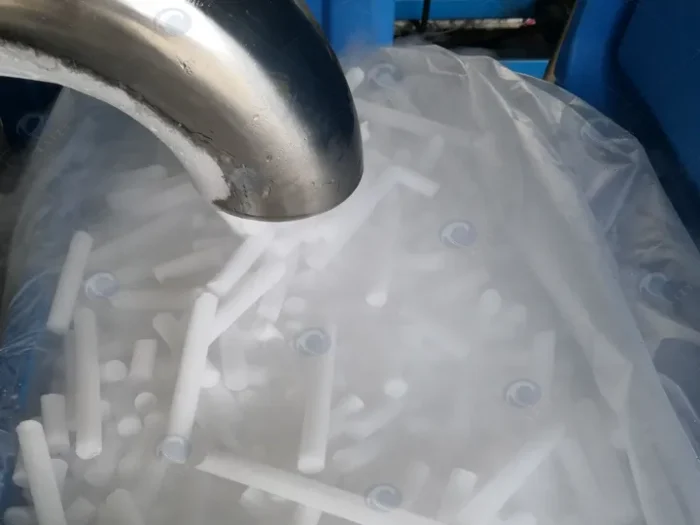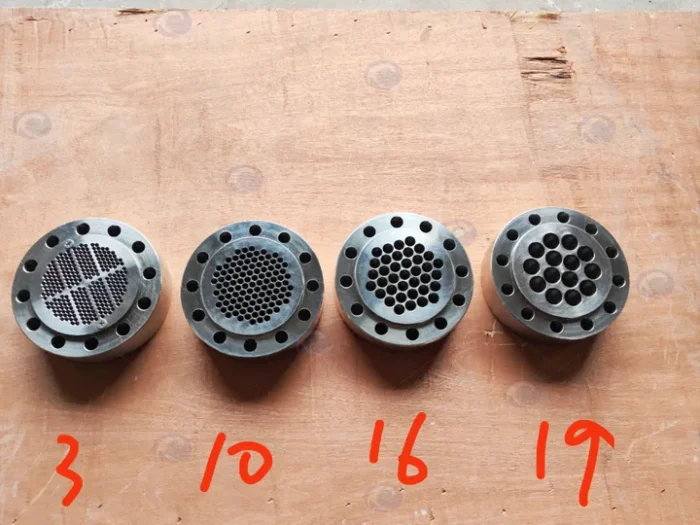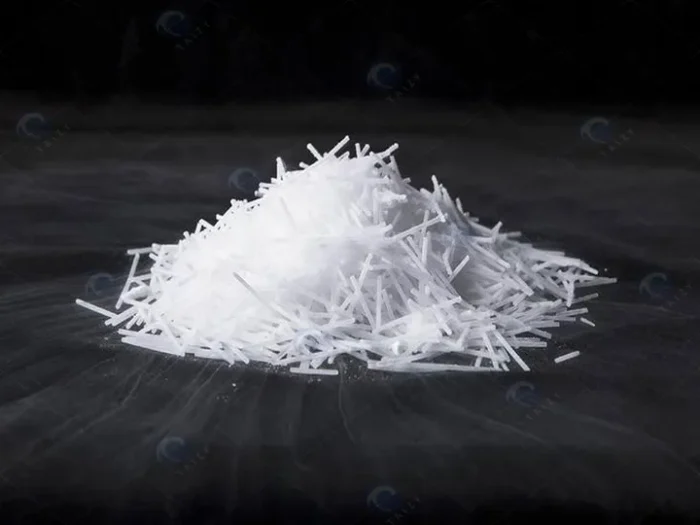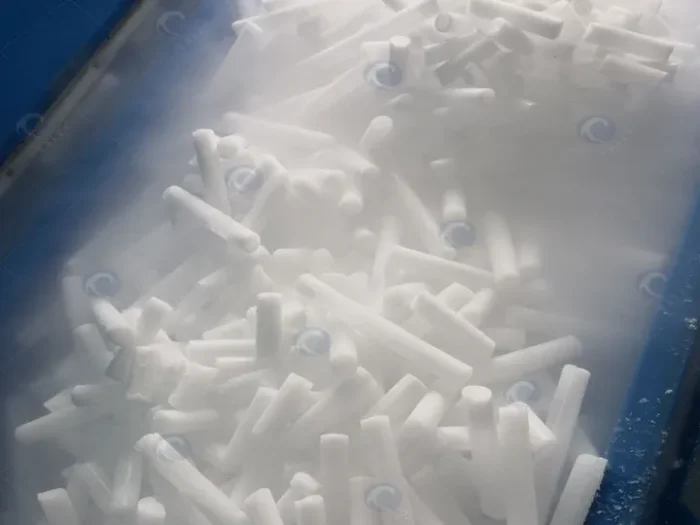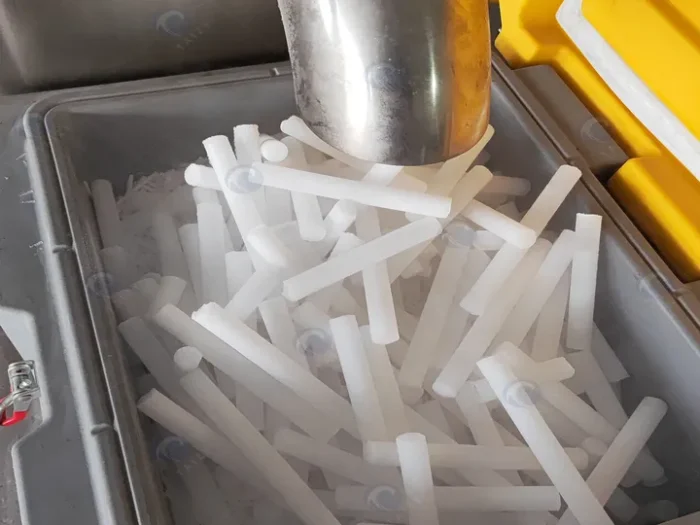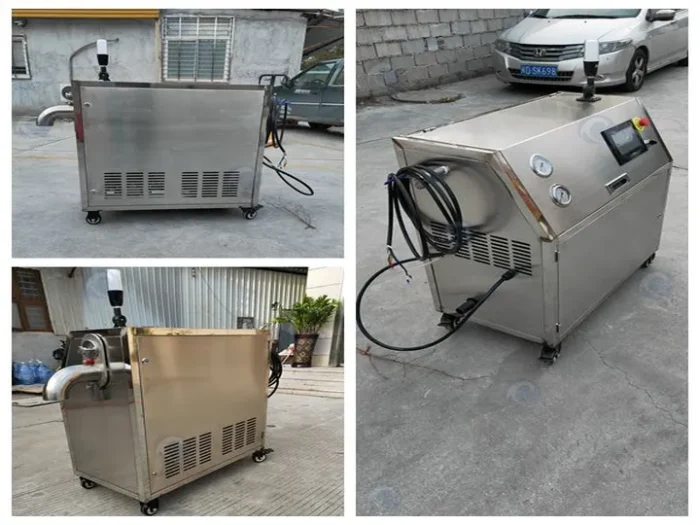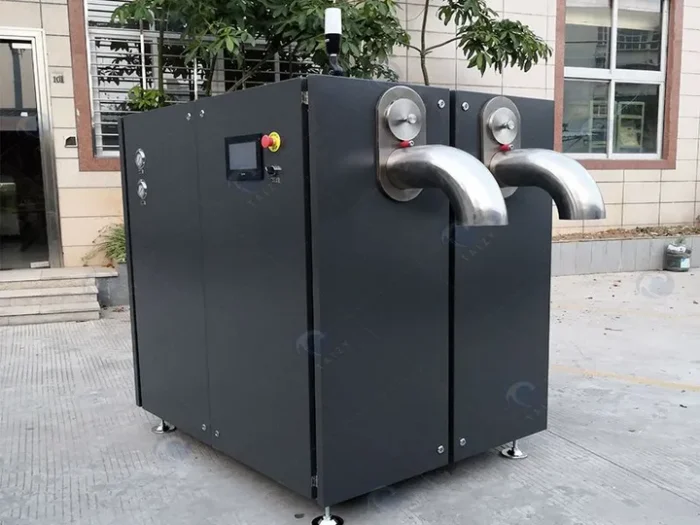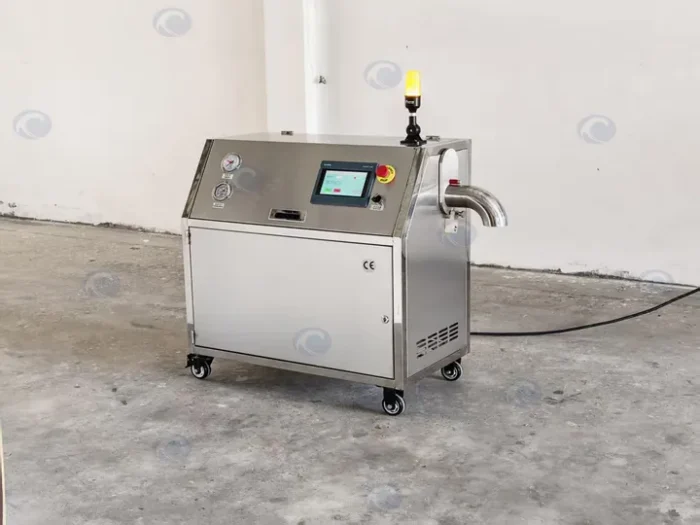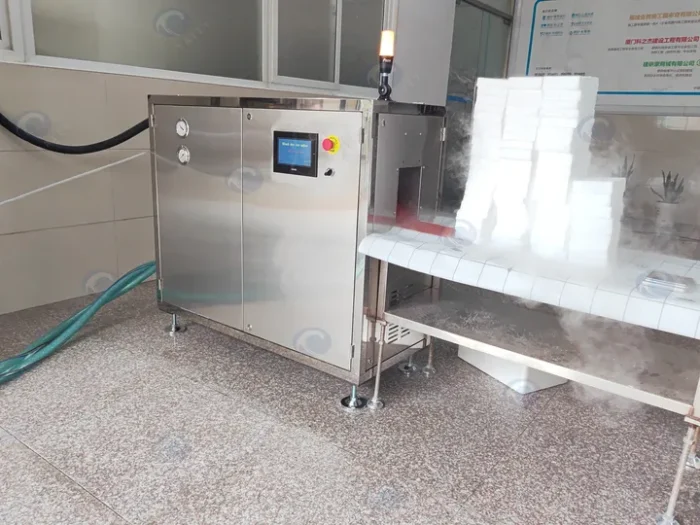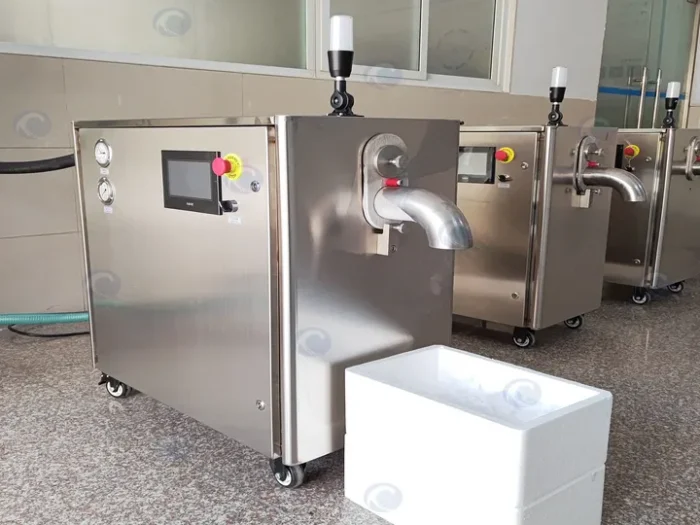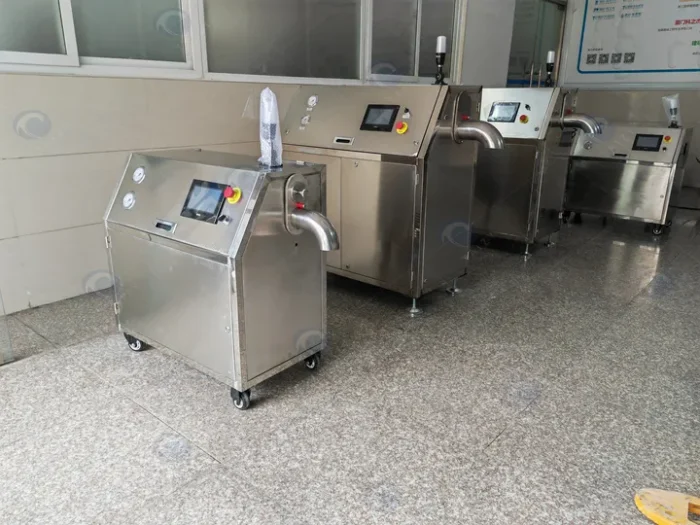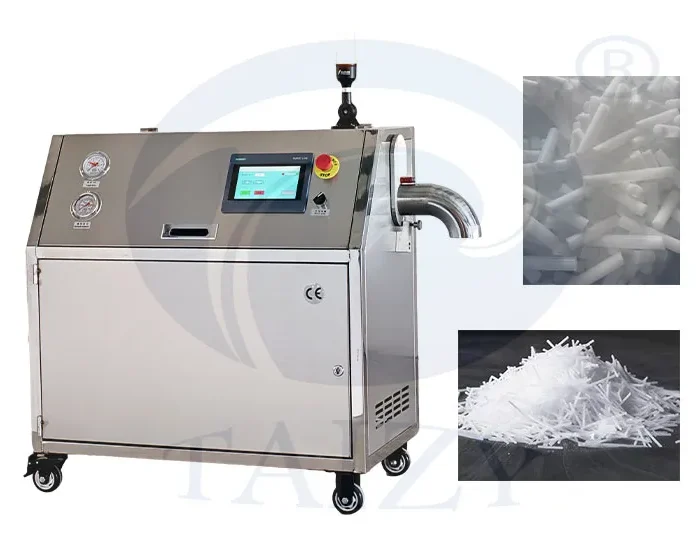
A dry ice pellet machine converts liquid carbon dioxide into solid dry ice pellets for cooling, cleaning, preservation, and special effects. Taizy’s dry ice maker series covers outputs from 50 kg/h to 500 kg/h and produces pellets in 3 mm, 10 mm, 16 mm, and 19 mm diameters. Custom molds are available for non-standard sizes. With a CO₂ conversion ratio of at least 42%, the machine converts more than four-tenths of the supplied liquid CO₂ into usable dry ice pellets.

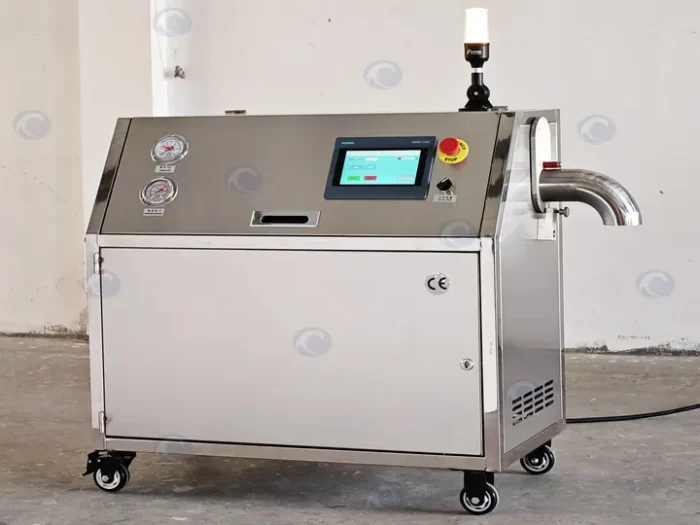
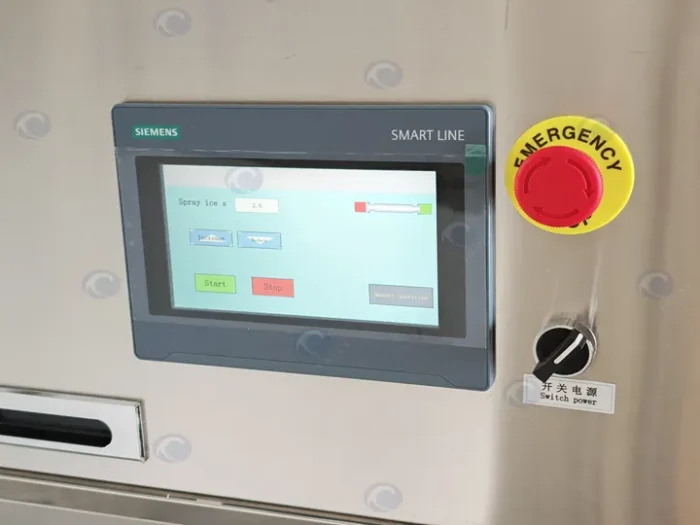
This CO₂ pellet machine is widely used in food service, cold chain logistics, dry ice blasting, pharmaceuticals, and scientific laboratories. Built in optional 304 stainless steel or carbon steel, with Siemens control panels, fixed feet or universal casters, and clear status indicators, it is designed for safe, continuous operation in commercial and industrial environments.
Dry Ice Pellet Machine Specifications
| 模型 | SL-50 | SL-100 | SL-150 | SL-200 | SL-300 | SL-500 |
|---|---|---|---|---|---|---|
| 容量 | 50 kg/h | 100 kg/h | 150 kg/h | 200 kg/h | 300 kg/h | 500 kg/h |
| Pellet diameter range | Φ3 – Φ16 mm | Φ3 – Φ19 mm | Φ3 – Φ19 mm | Φ3 – Φ19 mm | Φ3 – Φ19 mm | Φ3 – Φ19 mm |
| Dry ice density | 1550 kg/m³ | 1550 kg/m³ | 1550 kg/m³ | 1550 kg/m³ | 1550 kg/m³ | 1550 kg/m³ |
| CO₂ conversion ratio | ≥ 42% | ≥ 42% | ≥ 42% | ≥ 42% | ≥ 42% | ≥ 42% |
| 力量 | 3千瓦 | 4 kW | 7.5千瓦 | 5.5 kW | 7.5千瓦 | 18.5 kW |
| 重量 | 200 kg | 350 kg | 600 kg | 650 kg | 1200 kg | 2500 kg |
| Dimensions (L×W×H) | 100×50×100 cm | 128×60×140 cm | 135×65×165 cm | 48×100×151 cm | 135×120×158 cm | 165×145×175 cm |
The SL-50 is a compact entry-level dry ice pelletizer for small workshops and catering businesses. The SL-100 to SL-200 models suit mid-size food factories and cold-chain distributors. The SL-300 and SL-500 are heavy-duty units for industrial dry ice production and large-scale blasting operations.


How Does the Dry Ice Pellet Machine Work?
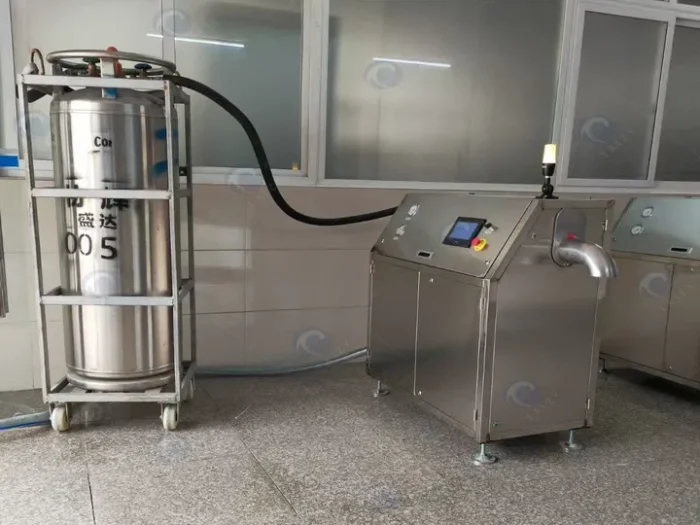
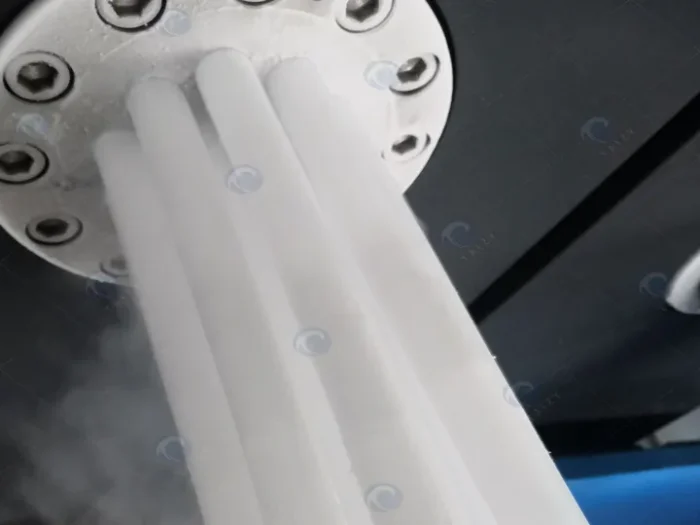
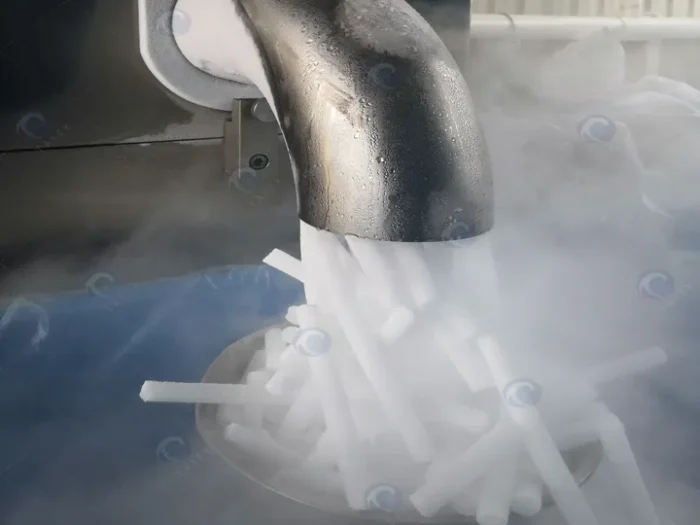
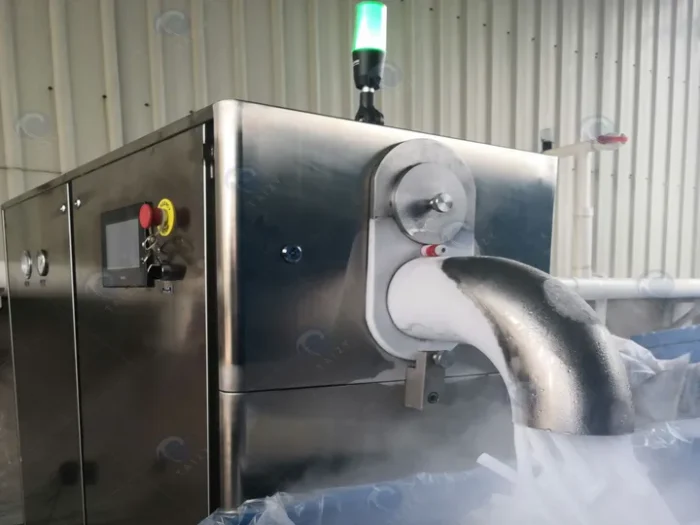
This dry ice pellet machine pressurizes liquid CO₂ supplied from a Dewar flask or storage tank. When liquid CO₂ expands through the nozzle into the forming chamber, the pressure drops rapidly, causing a phase change. Part of the liquid CO₂ instantly vaporizes into gas and absorbs heat, while the remaining CO₂ solidifies into dry ice snow under extremely low temperatures. The temperature can reach approximately -78.5°C, forming dry ice snow that is compressed by a hydraulic or mechanical press, pushed through the die plate, and cut into uniform dry ice pellets at the outlet.

The process is continuous: liquid CO₂ enters the machine, dry ice pellets are discharged, and excess CO₂ gas is released or recovered. During the entire forming process, the dry ice remains at a temperature of approximately -78.5°C, ensuring excellent cooling performance and controlled sublimation. The CO₂ conversion ratio reaches at least 42%, meaning more than four-tenths of the supplied liquid CO₂ is converted into usable dry ice pellets.

Pellet Size Options and Custom Molds
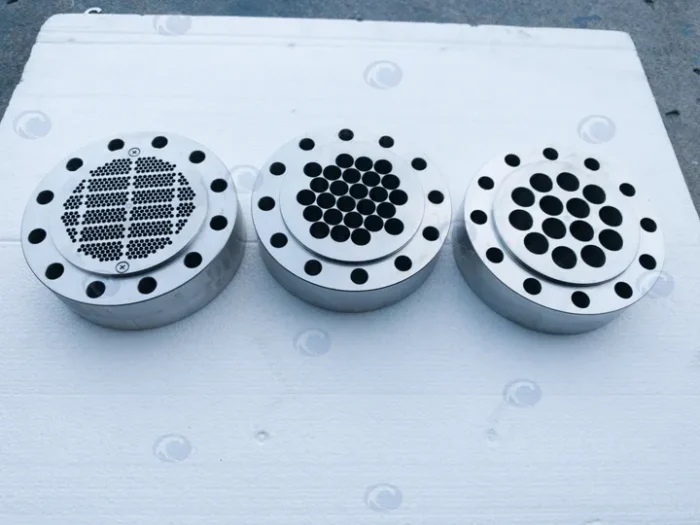
Standard die plates produce four common diameters:
- 3 mm pellets: Fine pellets for blasting, detailed cleaning, and small cooling packs.
- 10 mm pellets: General-purpose size for cold chain boxes and food transport.
- 16 mm pellets: Medium size for longer cooling periods and larger containers.
- 19 mm pellets: Large pellets for heavy-duty cooling and industrial applications.


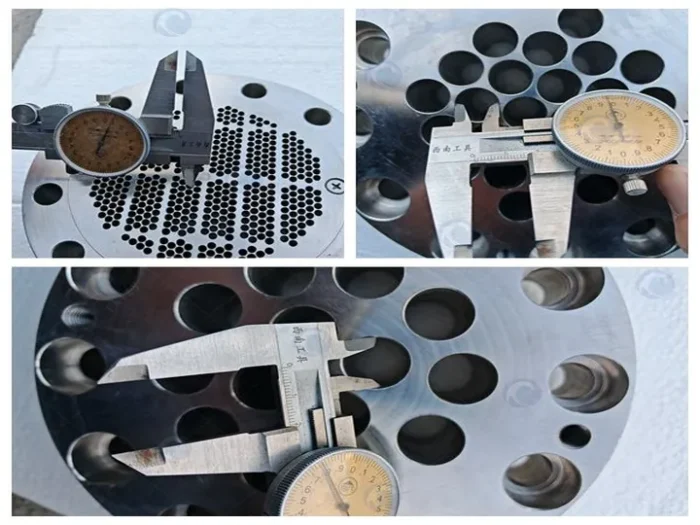
Custom molds can be made for special diameters or lengths. When ordering, tell us your target pellet size and we will match the die plate to your application.


Dry Ice Pellet Product Display


Key Advantages
High CO₂ conversion
At least 42% of liquid CO₂ becomes dry ice, reducing gas consumption.
Multiple output levels
Six models from 50 kg/h to 500 kg/h cover workshop to factory scale.
Flexible pellet sizes
Standard 3/10/16/19 mm dies plus custom molds.
Durable build
Optional 304 stainless steel or carbon steel frame.
Reliable controls
Siemens panel option with clear green/yellow status lights.
Easy to move
Fixed feet or caster options match your layout.
Food-safe output
Produced pellets are suitable for direct food contact and beverage service.
Wide application range
Suitable for food cooling, cold chain transportation, dry ice blasting, pharmaceutical storage, and laboratory use.

Which Parts of a Dry Ice Pellet Machine Can Be Customized?
Taizy builds each dry ice pellet machine to match customer requirements:
- Body material: Choose 304 stainless steel for food-grade and corrosion-resistant operation, or carbon steel for standard industrial use.
- Mobility: Select fixed support feet for permanent installation, or universal casters for easy movement between production areas.
- Control panel: Siemens-branded panels are available on request for reliable PLC control and integration with factory systems.
- Status lights: A green light indicates normal operation; a yellow light signals a fault or required attention.
- CO₂ supply: Match the machine with a Dewar flask in 210 L, 455 L, 500 L, or 1000 L capacity, selected according to your hourly consumption and refill schedule.


What Are the Applications of Dry Ice Pelletizer in the Food Industry?
Dry ice pellets are safe for direct contact with food and are widely used in restaurants, hotels, catering, and food factories:
| 应用 | Food Products | Main Benefits |
|---|---|---|
| Cold chain transportation | Frozen food, seafood, meat | Long-lasting cooling |
| Seafood preservation | Fish, shrimp, crab | Maintains freshness |
| Food packaging | Frozen products | No water residue |
| Meat processing | Sausage, minced meat | Temperature control |
| Dairy transportation | Milk, cheese, yogurt | Cold preservation |
| Low-temperature grinding | Coffee, spices, nuts | Protects flavor |
| Food display | Catering, beverages | Visual effects |
Beverages
Add dry ice pellets to wine, cocktails, or soft drinks. The drink stays cold and a visible mist rises from the glass, creating an attractive presentation.
Ice Cream
Mix dry ice into ice cream production to keep the product frozen longer. It is especially useful for delivery and transport because dry ice sublimates instead of melting into water.
Seafood Dishes
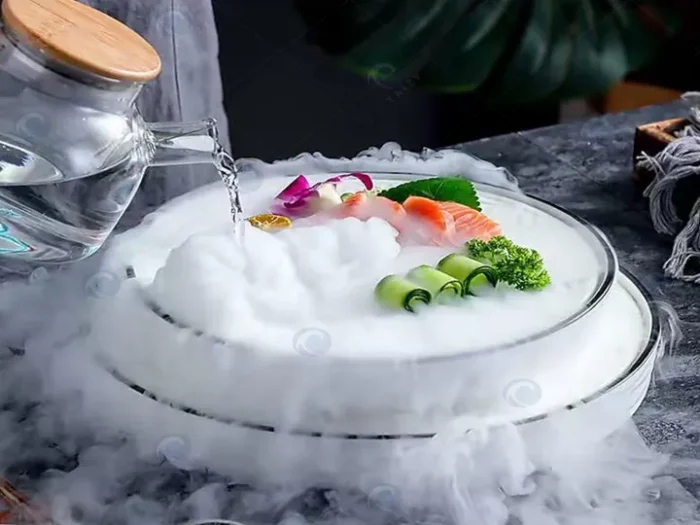
High-end restaurants and hotels place dry ice around lobster, crab, and sashimi platters. The white fog enhances the visual appeal and keeps seafood cold until it reaches the table.
Seafood Storage and Transport
Dry ice pellets keep lobster, crab, shark fin, and other seafood frozen during storage and shipping. Unlike water ice, dry ice leaves no meltwater, so the cargo stays cleaner. This method is common in Europe, the United States, and Japan.


Safety Tips for Operating a Dry Ice Pellet Machine
Safe operation of a CO₂ pellet machine depends on following these rules:
- Keep the workspace ventilated at all times. CO₂ gas can displace oxygen and cause asphyxiation in enclosed areas. Install exhaust fans or work in open, well-ventilated rooms.
- Control CO₂ supply pressure between 1.2 MPa and 2.3 MPa. Pressure outside this range affects pellet quality and can damage seals or piping.
- Pre-cool the mold before producing 16 mm pellets. Do not start a cold machine with a long feeding cycle for 16 mm production. Sudden temperature shock can damage the die plate and reduce pellet consistency.
- Empty CO₂ pipes before shutdown. Residual liquid CO₂ left in the lines can expand and rupture pipes. Follow the recommended purge sequence in the manual.
- Tighten all cavity fasteners regularly. Vibration during operation can loosen bolts. Inspect and retighten fasteners on schedule to prevent wear and equipment damage.


What Are the Compatible Equipment for a Dry Ice Pellet Making Machine?
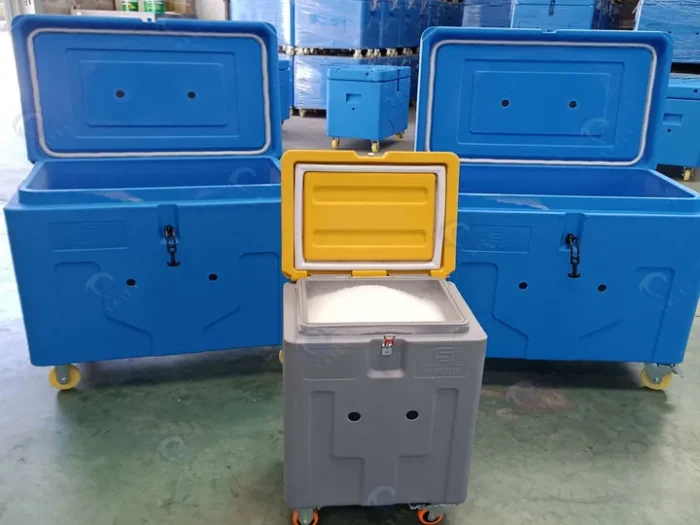
Double-layer Insulated Storage Box
We recommend pairing the machine with a double-wall insulated box to slow sublimation. Available capacities include 18 L, 20 L, 28 L, 48 L, 78 L, and 118 L.


Dry Ice Block Press Machine
The pellet machine can be connected to a dry ice block press to convert pellets into solid blocks for transport and sale.
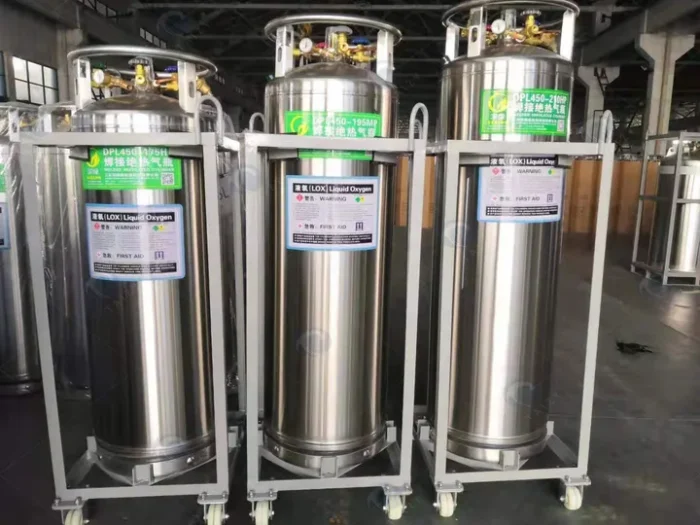
Dewar Flask
Store and supply liquid CO₂ with a vacuum-insulated Dewar flask. Choose from 210 L, 455 L, 500 L, or 1000 L based on daily usage.

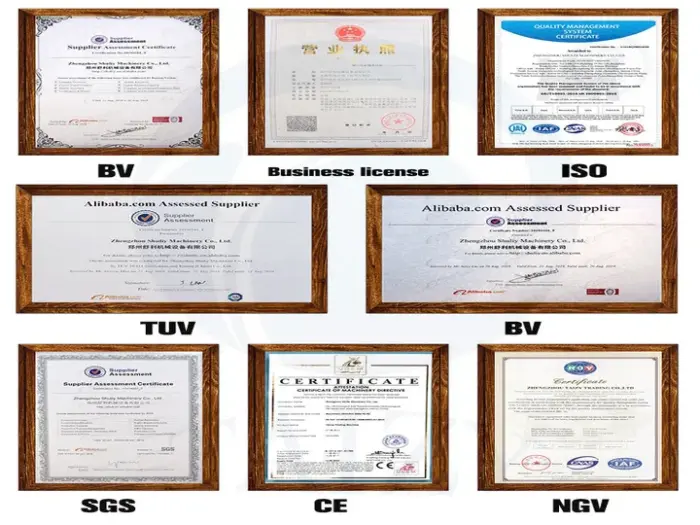
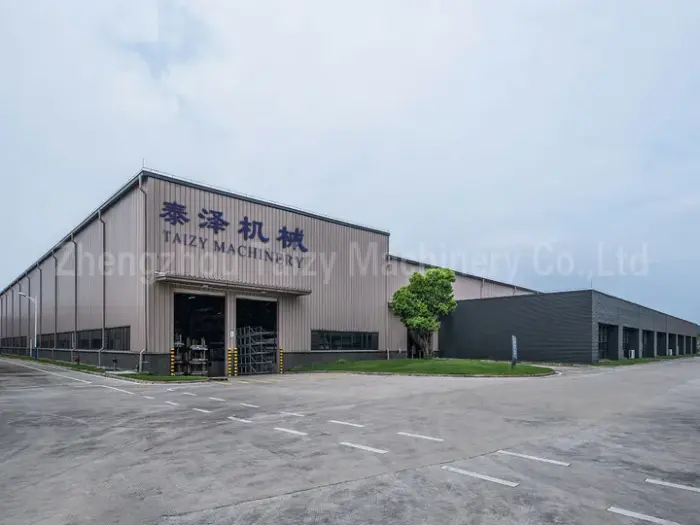
为什么选择泰兹?
Taizy Machinery supplies processing and cooling equipment to customers worldwide. When you choose our dry ice pelletizer, you receive:
- Factory-direct pricing and fast response.
- Custom voltage, material, and control configurations.
- Detailed operation manuals and safety training materials.
- One-year warranty and lifetime technical support.
- Spare parts supply for dies, seals, and wear components.
- Export packing and documentation for international shipping.


常见问题解答
How much liquid CO₂ does the machine consume per hour?
Consumption depends on capacity and CO₂ conversion ratio. With a conversion ratio of at least 42%, the SL-100 produces 100 kg/h of dry ice from roughly 240 kg/h of liquid CO₂. Contact us for a detailed consumption calculation based on your model.
Can I use a standard compressed gas cylinder instead of a Dewar flask?
No. Dry ice pellet machines require liquid CO₂ at controlled pressure. A Dewar flask or bulk liquid CO₂ tank is necessary to supply liquid phase CO₂, not a high-pressure gas cylinder.
How long do dry ice pellets last in the insulated box?
Sublimation rate depends on ambient temperature, box insulation, and how often the lid is opened. A quality double-layer insulated box can hold pellets for 24–72 hours, with larger boxes generally retaining ice longer.
Is the machine difficult to install?
No. The machine arrives fully assembled. You need a flat floor, the correct electrical supply, a CO₂ Dewar flask connection, and ventilation. We provide installation drawings and remote guidance.
What spare parts should I keep in stock?
Keep spare die plates, O-rings, seals, and hydraulic oil. Fast-moving wear parts are available from Taizy with global shipping.
Get a Quote
Contact Taizy today to choose the right dry ice pellet machine for your cooling, blasting, or food-service application. Send us your required capacity, pellet size, and material preference, and we will reply with a detailed quotation.

Related Equipment
Industrial Ice Block Making Machine
This industrial block ice maker covers complete standard models with daily output from 1 ton to 10 tons, equipped with direct cooling and brine cooling dual technical schemes, matched power ranging 6–8.5kW. The whole machine adopts thickened stainless steel frame and high-density cyclopentane thermal insulation layer, fitted with pure copper evaporator and brand refrigeration compressor. Standard ice mold specifications include 5kg, 10kg and 15kg, with freezing cycle controlled within 4–6 hours. Direct cooling type produces food-grade edible ice without brine pollution, while brine type supports large-volume mass ice production. The solid snow-white ice blocks feature low melting rate, widely used in aquatic preservation, seafood transportation, food processing, ice sculpture and factory cooling, serving fishing ports, cold chain distributors, food factories and professional ice-making plants.
Core Advantages
- Two Cooling Schemes Optional: Direct cooling for clean edible ice with no salt contamination; brine cooling for ultra-large daily output, matching different factory scale and ice application demands.
- Fast Efficient Refrigeration System: Thick pure copper evaporator plus high-performance compressor accelerates freezing speed, stable 4–6h one full ice-making cycle with consistent ice forming effect.
- Energy-Saving Thermal Insulation Structure: Thickened foam sandwich layer effectively reduces cold loss, lowering long-term power consumption and operating costs.
- Customizable Ice Mold Specifications: Support 5/10/15kg standard molds, custom ice block size and weight available according to customer market demands.
- Food-Grade Corrosion Resistant Build: Full stainless steel body and aluminum alloy molds resist water and brine corrosion, easy to flush and maintain, complying with food safety standards.
- Compact Mobile Layout: Universal mobile casters for flexible workshop relocation; simple one-button control, only 1 operator needed for feeding, freezing and demoulding work.
- Complete Customized & After-Sales Service: 12-month full machine warranty with online operation training and on-site debugging; machine size, refrigerants and auxiliary demoulding equipment can be customized.