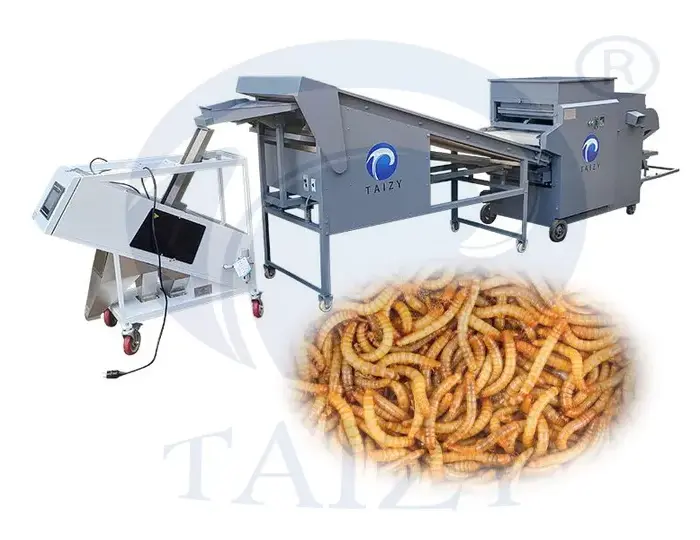
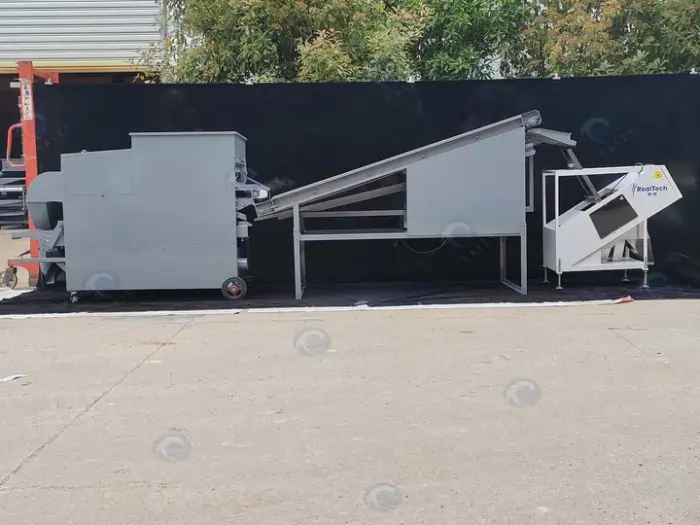
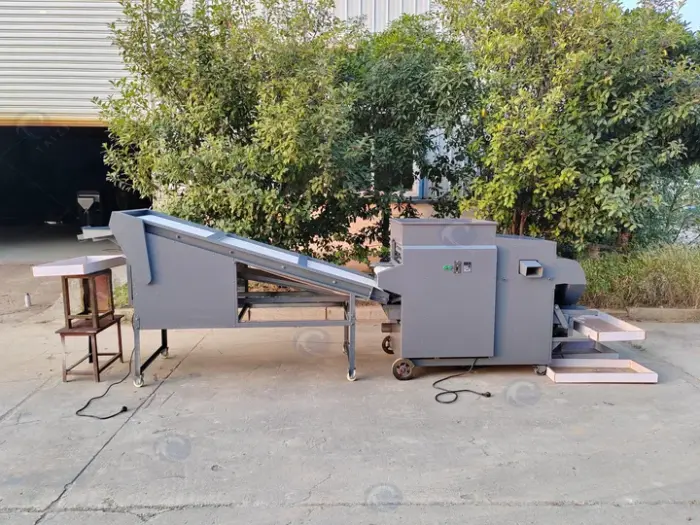
The Машина за сортиране на червеи от Taizy е напълно интегрирана автоматизирана система за разделяне, проектирана за търговски операции по отглеждане на брашнени червеи. Този автоматичен сортировач на насекоми съчетава три модулни единици – основен сепаратор, вторична сортираща единица и оптичен цветен сортировач – за да осигури пълна обработка в един непрекъснат работен процес. Способен за обработка 400–600 kg пресни ларви на час, или 500–700 kg на предварително изсушени брашнени червеи с прикрепен цветен сортировач, този сепаратор tenebrio замества трудоемкото ръчно сортиране с прецизна автоматизация.
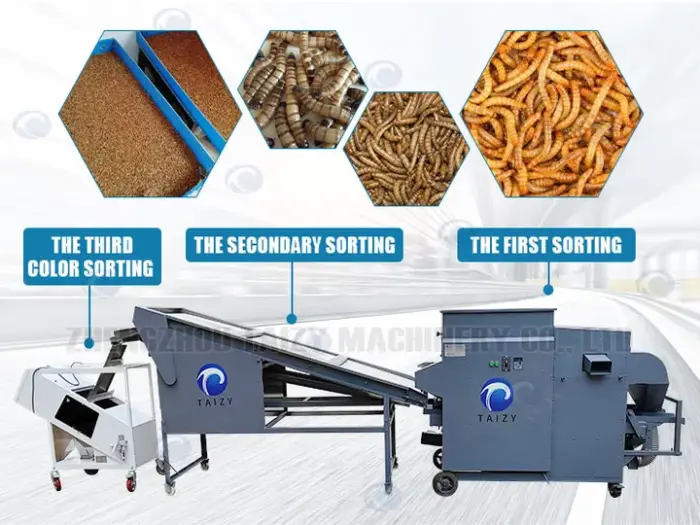
За разлика от основното оборудване за пресяване, тази машина за обработка на брашнени червеи изпълнява множество задачи за разделяне едновременно: премахване на фрактури, извличане на кожа и отломки, събиране на прах, класифициране по размер на големи/средни/малки ларви и отделяне на какавиди и мъртви насекоми от здрави запаси. Задвижванията с променлива честота контролират както скоростта на транспортната лента, така и въздушния поток на вентилатора, което позволява на операторите да настройват фино настройките за различни размери на ларвите и условия на влага. Затвореният прахоустойчив дизайн, бързосменяемите мрежести мрежи и мобилната конфигурация правят това оборудване за сортиране на насекоми подходящо както за малки развъдни ферми, така и за големи търговски обекти.
Какви функции има машината за сортиране на червеи?
Тази машина интегрира множество функции в една система. Потокът на процеса е плавен и ефективен, докато редица практични дизайнерски функции подобряват цялостното работно изживяване.
Интегрирана синхронна работа
Машината следва напълно синхронизиран работен процес. Той е проектиран в съответствие с логиката на първо пресяване на оборски тор, последвано от отстраняване на кожата и събиране на прах и след това сортиране на червеи. Той завършва сортирането на живи брашнени червеи, както и отделянето на мъртви червеи и какавиди в един единствен процес, без необходимост от вторична ръчна обработка на материала.
Гъвкаво регулиране на параметрите
Всички работни параметри могат да се регулират свободно. Скоростта на двуслойните сортиращи ленти и въздушният поток на вентилатора могат да се контролират независимо. Секцията за класифициране на брашнен червей е оборудвана със система с променлива честота, което я прави подходяща за различни размери на брашнен червей и различни условия на сортиране.
Вторично фино сортиране
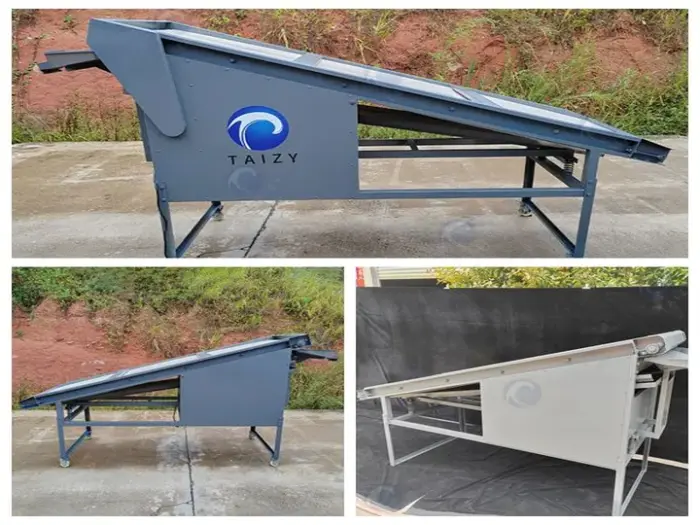
Вторичното сортиращо устройство извършва допълнителен процес на пресяване на материала. Брашнестите червеи от по-ниско ниво се повдигат и пренасят, докато здравите червеи автоматично се връщат към основната машина за повторно класифициране. Какавиди, мъртви червеи и примеси се пренасят равномерно към цветния сортировач.
Интелигентно сортиране на цветовете и отстраняване на примеси
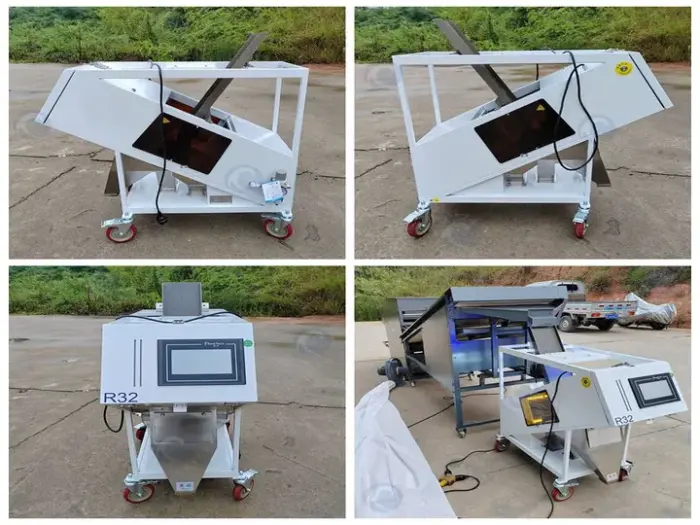
Цветният сортировач използва цветни сензори с висока прецизност за точно идентифициране и отстраняване на черни мъртви червеи и различни земеделски примеси, като допълнително подобрява чистотата на крайния продукт.
Затворен прахоустойчив и екологичен дизайн
Затворената структура за пресяване на тор е оборудвана със специални торби за събиране. Всички кожи и прах от брашнени червеи се събират централизирано, като ефективно потискат емисиите на прах и поддържат работната среда чиста и подредена.
Удобна работа, поддръжка и мобилност
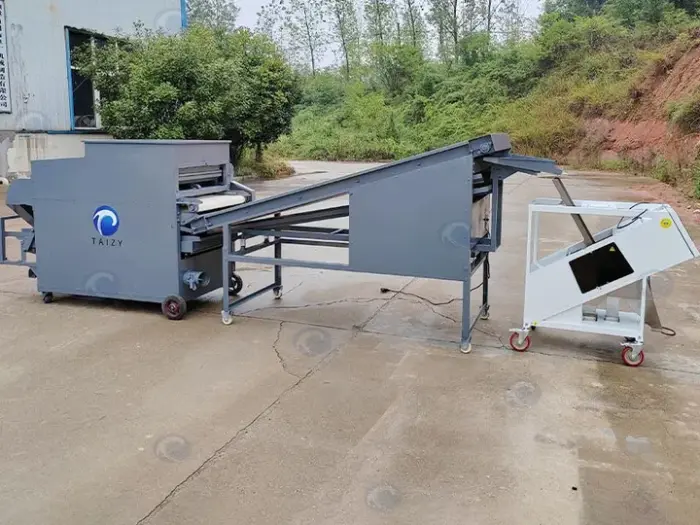
Машината е проектирана за лесен демонтаж и поддръжка. Решетките за оборски тор и решетките за класифициране могат бързо да бъдат премахнати и сменени. Прахоустойчивият капак и контролната кутия на главната машина могат да се отварят свободно, което позволява на операторите да наблюдават състоянието на работата на машината и да извършват рутинна поддръжка удобно. Системата също така разполага с гъвкава адаптивност на сайта. Цялата машина е оборудвана с въртящи се колела със спирачни функции, позволяващи свободното й преместване и фиксиране на закрито, без да бъде ограничавана от разположението на цеха.
Подходящи материали
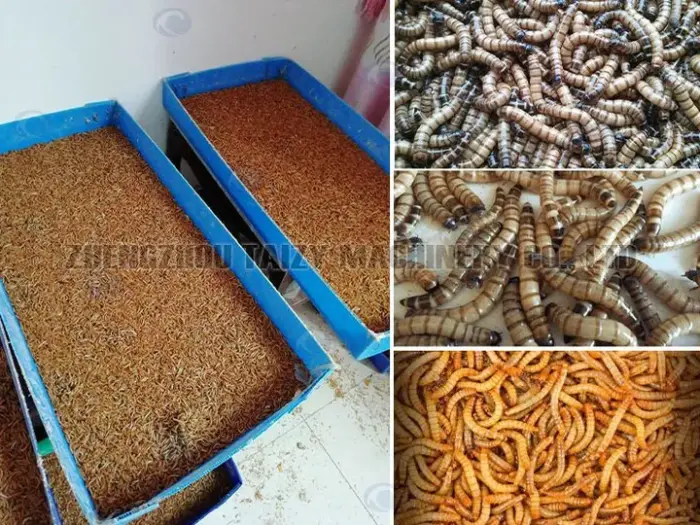
Комбинираната машина за сортиране на червеи Taizy се използва главно за обработка на смесени материали от червеи. Подходящите материали включват големи, средни и малки живи брашнени червеи в различни етапи на растеж, както и оборски тор от брашнени червеи, отпаднали кожи, какавиди, естествено мъртви брашнени червеи и малки количества земеделски примеси, генерирани по време на процеса на размножаване.
Машината е подходяща за две основни форми на обработка: пресни живи червеи и предварително изсушени червеи. За суровини, съдържащи зеленчукови листа, кори от плодове и други материали, които могат лесно да причинят запушване, машината може да бъде модифицирана с външен вентилатор, за да се разшири нейната адаптивност към материала.
Чрез замяна на сита с различни спецификации, машината може да сортира брашнените червеи на всички етапи на растеж, от ларвите в първи стадий до напълно пораснали възрастни червеи. Това позволява на оборудването да покрие целия процес на сортиране, необходим за отглеждането на брашнен червей и операциите по първична обработка.
Технически спецификации
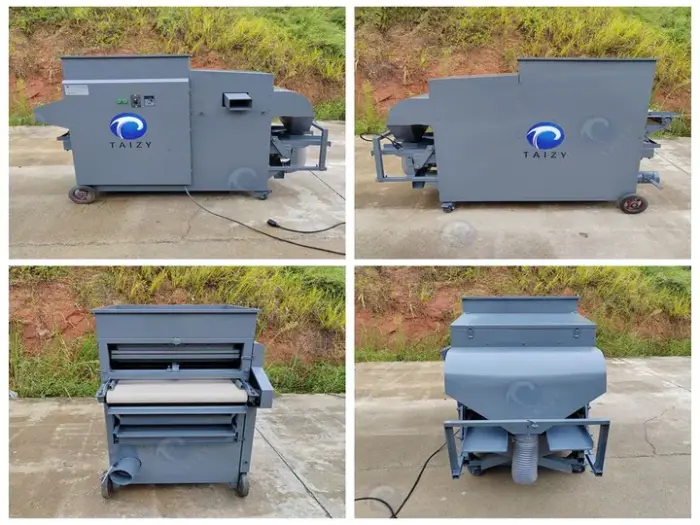
Основен сепаратор
| Артикул | Спецификация |
|---|---|
| Мощност | 2,85 kW |
| Dimensions | 190 × 78 × 129 cm |
| Тегло | 285 kg |
| Стандартна мрежа | Горна част 26 меша, долна 3 mm / 2 mm отвор |
| Функции | Скрининг на Frass, отстраняване на кожата, изсмукване на прах, първично класифициране, първоначално отделяне на какавиди/мъртви насекоми |
Вторичен сортировач
| Артикул | Спецификация |
|---|---|
| Мощност | 0,46 kW |
| Dimensions | 250 × 80 × 139 cm (макс. височина) |
| Тегло | 124 kg |
| Функции | Вторично класифициране, повдигане на ларвите, рециркулация на здрави насекоми, насочено пренасяне на остатъци |
Цветен сортировач
| Артикул | Спецификация |
|---|---|
| Мощност | 0,8 kW (въздушен компресор се изисква отделно) |
| Dimensions | 100 × 40 × 110 cm |
| Тегло | 45 kg |
| Функции | Разпознаване на цветовете, прецизно отстраняване на черни мъртви насекоми и примеси |
Комбинирана система
| Артикул | Спецификация |
|---|---|
| Обща мощност | 4,1–4,8 kW |
| Общо тегло | 420 kg |
| Комбинирани размери | 5,1 × 0,8 × 1,28 m |
| Източник на захранване | 220V / 50Hz монофазен |
Производствен капацитет
| Тип материал | Конфигурация | Почасова продукция |
|---|---|---|
| Пресни живи ларви | Без цветен сортировач | 400–600 kg/h (800–1000 jin/h) |
| Предварително изсушени брашнени червеи | С цветен сортировач | 500–700 kg/h (1000–1400 jin/h) |
Бележка: Малки ларви, фрасин и кожа са изключени от измерванията на продукцията.
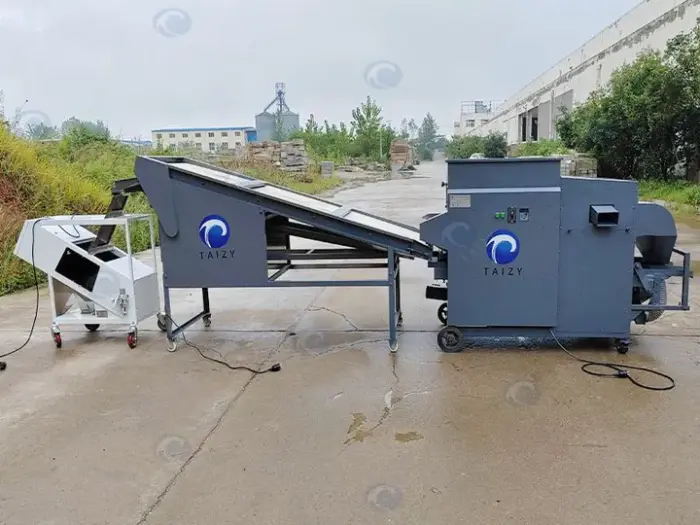
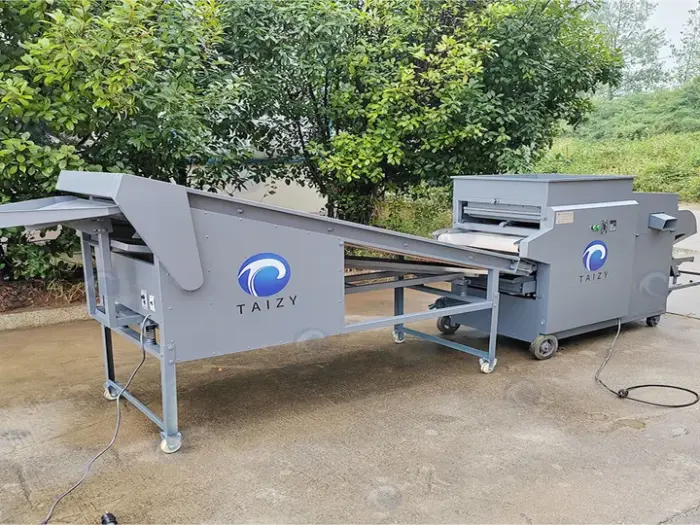
Механична структура на машината за сортиране на червеи


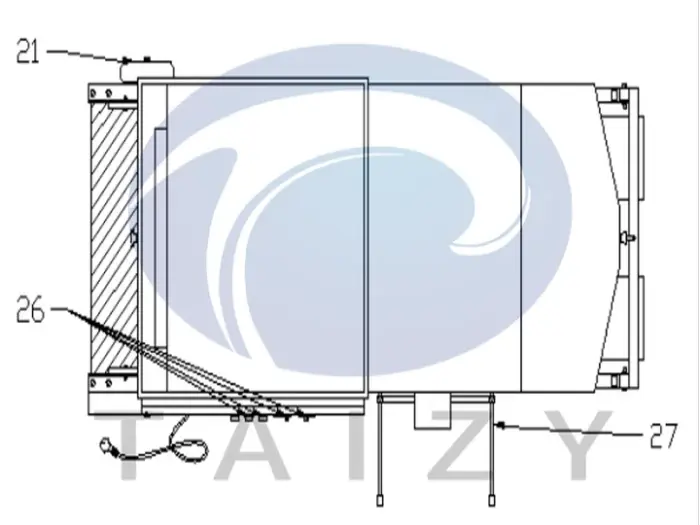


Основни компоненти на машината за сортиране на червеи
| не | Име на част (английски) | не | Име на част (английски) | не | Име на част (английски) |
|---|---|---|---|---|---|
| 1 | Хопер | 16 | Плъзгаща се плоча с брашнен червей | 31 | Главно ролково колело |
| 2 | Горен екран | 17 | Долно задвижващо колело на екрана | 32 | Малка плъзгаща се плоча |
| 3 | Кутия за изхвърляне на тор | 18 | Малко моторно задвижващо колело | 33 | Колело на вала на четката |
| 4 | Рамка на машината | 19 | Тръба за изпускане на въздух | 34 | Четка |
| 5 | Сортиращ колан | 20 | Голямо колело на главния вал на двигателя | 35 | Моторно колело |
| 6 | Корица за колекция от кожи | 21 | Фиксирани колела | 36 | Вибрационен двигател |
| 7 | Долен екран | 22 | Мотор с променлива скорост | 37 | Рамка на вибрационния модул |
| 8 | Среден изход за брашнен червей | 23 | Голям мотор | 38 | Пролет |
| 9 | Малък изход за брашнени червеи | 24 | Малък мотор | 39 | Захранващ кабел на вторичния модул |
| 10 | Вентилатор за събиране на прах | 25 | Захранващ кабел | 40 | Вход за подаване на цветен сортировач |
| 11 | Въртящи се колела | 26 | Главен превключвател на машината | 41 | Превключване |
| 12 | Колело на задвижващия вал на горния екран | 27 | Поддържаща рамка за чанта | 42 | Цветен сортировач Healthy Mealworm Outlet |
| 13 | Моторно задвижващо колело с променлива скорост | 28 | Превключвател на бункера | 43 | Цветен сортировач Dead Mealworm Outlet |
| 14 | Главен валяк на сортиращия ремък | 29 | Рамка на вторичния модул за сортиране | — | — |
| 15 | Колело на вала на четката | 30 | Голяма плъзгаща се плоча | — | — |
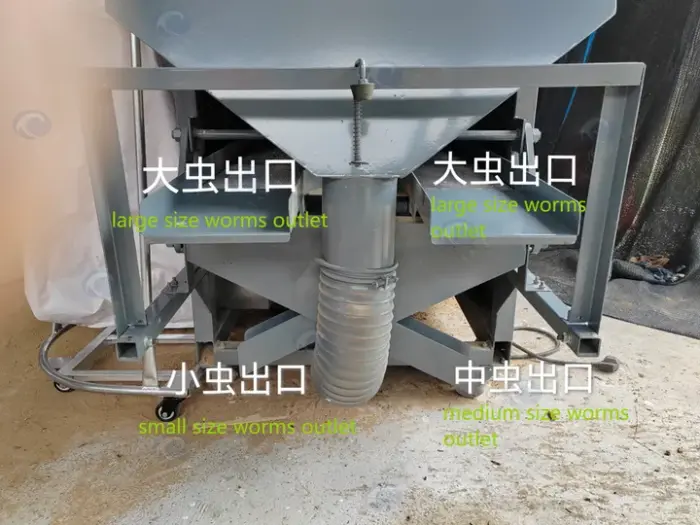
Как работи машината за сортиране на червеи?
Етап 1: Първично разделяне (основен модул)
Суровият материал влиза в главния сепаратор, където мрежестите сита отстраняват фрактурата и фините отпадъци. Вградените вентилатори извличат отпаднали кожи и прах в торби за събиране. Двуслойният сортиращ колан разделя ларвите по размер, докато предварителното разделяне разграничава здравите ларви от какавидите и мъртвите насекоми.
Етап 2: Вторично рафиниране (вторична единица)
Малкоразмерните или ниско разположени ларви се прехвърлят към вторичния сортировач за повторна оценка. Здравите екземпляри автоматично се връщат в основния модул за повторно класифициране, докато какавидите, мъртвите насекоми и останалите остатъци се пренасят към цветния сортировач.
Етап 3: Оптично пречистване (Сортиране на цветове)
Високопрецизни цветни сензори идентифицират и изхвърлят черни мъртви ларви и остатъчни примеси. Тази крайна стъпка на пречистване постига над 99% точност на разделяне при стандартни работни температури от 25°C и по-високи.
Какви са предимствата на машината за сортиране на червеи TZ-6?
В комбинация със структурата на оборудването, техническите параметри и реалните сценарии на приложение, този продукт предлага значителни общи предимства.
Рентабилно потребление на енергия
Цялата машина използва стандартно гражданско захранване 220V, 50Hz. Може да се инсталира и използва в обикновени ферми, без да се променя съществуващата електрическа система.
Конфигурацията на мощността е както следва:
- Мощност на основната машина: 2,85 kW
- Мощност на агрегата за вторично сортиране: 0,46 kW
- Мощност на цветния сортировач: 0,8 kW
- Обща мощност: 4,1–4,8 kW
Консумацията на енергия е разумна и ефективна.
Машината трябва да бъде оборудвана с кабел с медна жила с национален стандарт 6 mm² и специален превключвател или контакт, номинален на 20 A или повече, за да се осигури безопасна работа. Гнездото, захранващото напрежение и други електрически изисквания също могат да бъдат персонализирани според нуждите на клиента.
Стабилна работа
Основната машина тежи 285 kg, вторичният сортиращ модул тежи 124 kg, а цветният сортировач тежи 45 kg, което дава на цялата система общо тегло от 420 kg.
Конструкцията е изработена от солидни материали, осигуряващи ниски вибрации и стабилна работа при използване, с минимален риск от разместване.
Всяка единица е разумно проектирана по размер. След сглобяване общата дължина на машината е 5,1 метра, което позволява лесно поставяне в стандартни селскостопански работилници.
Висока точност на сортиране
Чрез тристепенна обработка—първично пресяване от основната машина, вторично сортиране от вторичния модул и интелигентно отстраняване от цветния сортировач—машината постига степен на чистота на сортиране от над 99% при стандартни работни условия при 25°C и повече.
Той може точно да отделя здрави живи червеи, мъртви червеи, какавиди и примеси.
Гъвкави опции за комбиниране
Потребителите могат свободно да конфигурират оборудването според производствените изисквания:
- Използването само на главната машина + вторичната сортираща единица позволява завършване на основния пълен процес на сортиране
- Добавянето на цветен сортировач позволява пълно отделяне на мъртвите червеи и примесите, отговаряйки на стандартите за обработка на продукти от висок клас
Широк диапазон на адаптивност
Машината е оборудвана с множество стандартни типове сита. Различните размери на мрежите и отворите могат да бъдат заменени според търсенето, което го прави подходящ за брашнени червеи на различни етапи на растеж.
Той също така поддържа модификация на външен вентилатор, което помага за решаването на проблеми със запушване, причинени от суровини, съдържащи високи нива на примеси.
Лесна работа
Оформлението на регулатора на скоростта и честотния преобразувател е ясно и лесно за разбиране. Операторите могат да овладеят машината след краткосрочно обучение.
Често срещани проблеми като отклонение на лентата за сортиране и смяна на екрана се решават със стандартизирани решения, което прави ежедневната работа лесна и безпроблемна.
Защо да изберете машина за сортиране на червеи Taizy?
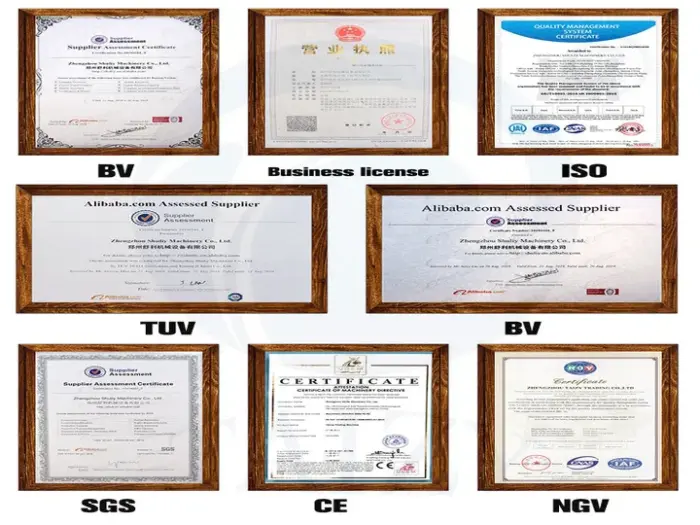
Сертификати
| Сертификация | Стандартен |
|---|---|
| Управление на качеството | ISO9001 |
| Стандарт за безопасност | CE |
| инспекция | SGS / TUV |
Изискване за мощност
| Артикул | Спецификация |
|---|---|
| Напрежение | 220V / 50Hz |
| Мощност | 4,1–4,8 kW |
| Окабеляване | 6 mm² меден проводник |
| Верига | Специален прекъсвач 20A + заземяване |
Услуга & Поддръжка
- 1 година гаранция
- Дистанционна видео поддръжка
- Ръководство за инсталиране
- Доставка на резервни части
- Възможност за въвеждане в експлоатация на място
Често задавани въпроси
Може ли машината да бъде интегрирана в съществуваща производствена линия за брашнени червеи?
да Системата е проектирана с модулни входни и изходни интерфейси, което й позволява да бъде свързана директно към съществуващи захранващи конвейери, системи за сушене или опаковъчни линии без големи структурни модификации.
Какъв е очакваният живот на машината при непрекъсната работа?
При нормална търговска употреба и рутинна поддръжка основната конструкция обикновено издържа 8–10 години. Износваемите части като мрежести екрани, колани и вентилатори са консумативи и може да изискват периодична подмяна в зависимост от интензивността на обработката.
Колко често машината изисква почистване по време на ежедневна работа?
За ферми с голям обем обикновено се препоръчва почистване на всеки 8–12 часа непрекъсната работа, особено за мрежести екрани и прахоуловителни модули, за да се поддържа постоянен въздушен поток и ефективност на разделяне.
Може ли точността на сортиране да бъде повлияна от влажност или температурни промени?
Да, условията на околната среда могат да повлияят на производителността. Високата влажност може да увеличи адхезията между ларвите и отломките, докато ниските температури могат да намалят активността на ларвите. Стабилни условия между 20–30°C и контролирана влажност дават оптимални резултати.
Какво ниво на обучение на оператора е необходимо?
Обучението за основна работа е достатъчно. Повечето оператори могат да научат процедурите за хранене, настройване на параметри и почистване в рамките на 1-2 дни. Не се изисква специализирана механична или електрическа подготовка.
Може ли машината да обработва смесени видове насекоми или само Tenebrio molitor?
Системата е основно оптимизирана за Tenebrio molitor (брашнени червеи). Въпреки че може да обработва ларви с подобен размер, точността на разделяне може да намалее за смесени видове без повторно калибриране на параметрите и тестови изпълнения.
Как се гарантира постоянството на качеството на продукта в различните партиди?
Съгласуваността се поддържа чрез регулируеми системи за контрол на честотата и стандартизирани конфигурации на мрежата, осигуряващи стабилно класифициране дори когато разпределението на размера на суровината варира между партидите.
Какво се случва, ако в системата попаднат чужди предмети като малки камъчета или метал?
Малките неорганични замърсители обикновено се отстраняват в ранните етапи на скрининга. Въпреки това, инсталирането на устройство за предварително почистване или магнитно разделяне се препоръчва за силно замърсени суровини за защита на вътрешните компоненти.
Свързано оборудване
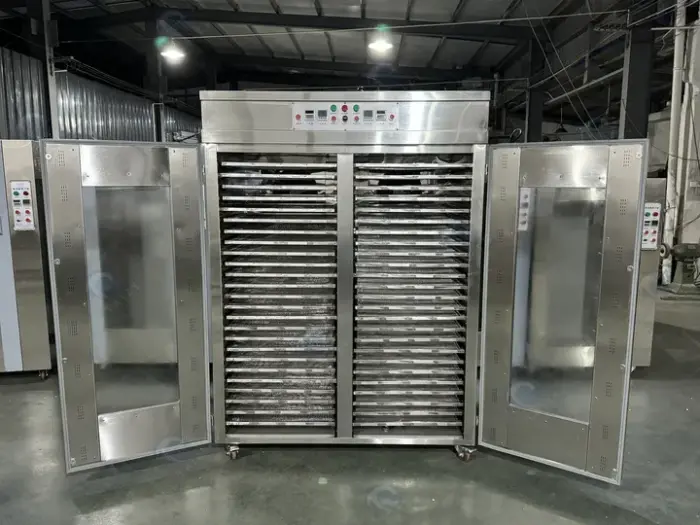
Количка за сушилня за зеленчуци и плодове
Тази индустриална сушилня в стил количка е оборудвана с подвижни сушилни колички и тави, налични в множество модели. Неговият капацитет за зареждане на една партида варира от 60 kg до 480 kg, с обща мощност 6–60 kW. Поддържайки електрически, газови, термопомпени и други режими на отопление, той се използва широко за сушене на плодове, зеленчуци, билки, водни продукти и селскостопански материали.
Основни предимства
- Енергоспестяващ & Равномерно изсушаване: Напълно уплътнената структура намалява загубата на топлина; разумно разположените тави осигуряват равномерно дехидратиране на материалите.
- Гъвкава конфигурация: Множество опции за нагряване и персонализиращи се съдове за печене се адаптират към различни суровини и работни условия.
- Скалируем капацитет: 6 опционални модела покриват различни изходни изисквания, с 24–192 тави за партидно производство.
- Стабилна работа: Нисък шум и плавен ход, подходящ за продължителна продължителна работа.
- Устойчив материал: Тавите използват неръждаема стомана и алуминиева сплав против ръжда, отговарящи на изискванията за обработка на храни.