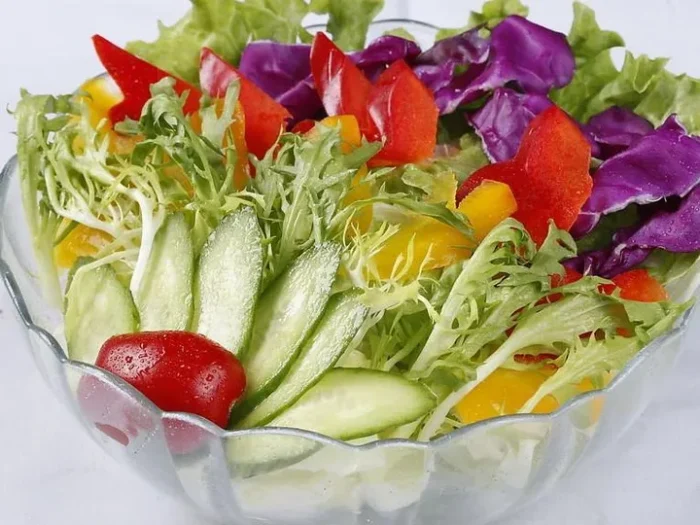
Freshi iliyokatwa saladi ni one ya fastest-growing kategoria katika ready-to-eat food soko. Lakini difference kati ya faida saladi uendeshaji na struggling one mara nyingi huja chini kwa one thing: kusafisha na kukausha. Poorly kuoshwa mboga za majani kubeba usalama wa chakula hatari. Ziada unyevu shortens muda wa kuhifadhi. Mikono uchakataji haiwezi kudumisha juu na mahitaji.
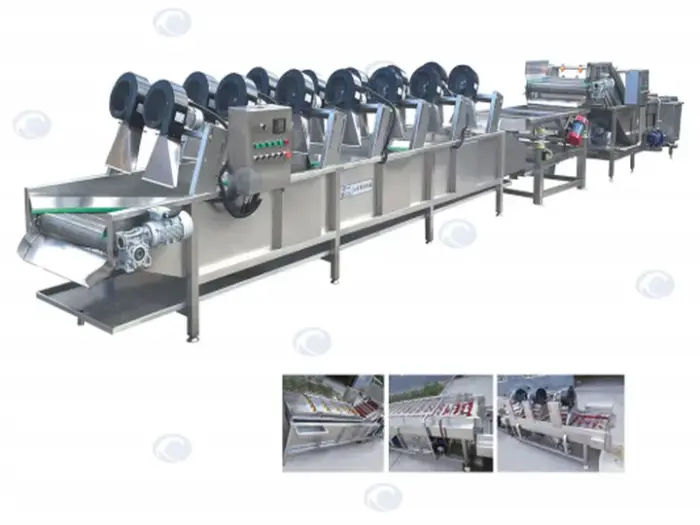
bora laini ya kuoshea na kukausha matunda na mboga kwa freshi iliyokatwa saladi uzalishaji ni kabisa otomatiki mfumo hiyo huchanganya kuoshea kwa mapovu, brashi kuondoa mabaki, na kasi kubwa mtiririko wa hewa kukausha katika one endelevu mtiririko wa kazi. Hiyo inapaswa kishiko laini majani mboga za majani bila kuchubuka, kuondoa udongo na vijidudu contaminants kwa ufanisi, na kuondoka kuzalisha kavu tosha kwa kufungasha. Uwezo kawaida viwango kutoka 500 kg/h kwa 2,000 kg/h, kulingana na kwenye yako kila siku lengo la uzalishaji.
Katika hii mwongozo, wewe ita kujifunza nini hutengeneza laini ya kuoshea mboga inafaa kwa saladi uzalishaji, ambayo vipengele suala zaidi, na jinsi kwa kuchagua usanidi hiyo hulingana yako uendeshaji.
Kwa nini Freshi iliyokatwa Saladi Mahitaji Maalum kuoshea na kukausha Laini?
Saladi uzalishaji ni si hiyo hiyo kama kuoshea viazi au karoti kwa uchakataji. Majani mboga za majani ni fragile, kubwa katika eneo la uso, na mara nyingi iliotumika raw. Hiyo mabadiliko mahitaji kwa yoyote kuzalisha kuoshea na kukausha vifaa.
usalama wa chakula Ni Non-Negotiable
Lettuce, spinach, na arugula ni mara nyingi eaten bila zaidi kupika. Yoyote udongo uliobaki, pesticide, au bacteria hufikia consumer moja kwa moja. biashara mashine otomatiki ya kuoshea matunda na mboga lazima kuondoa physical mabaki na kupunguza wadudu wadogo kabla ya kufungasha.
muda wa kuhifadhi Hutegemea kwenye Unyevu Udhibiti
Mvua majani wilt haraka zaidi na kuunda condensation ndani kufungasha. Sahihi kukausha kuongeza muda wa kuhifadhi kutoka chache siku kwa 7–10 siku, ambayo ni muhimu kwa usambazaji wa rejareja.
Muonekano Appeal Viendeshi Ununuzi Decisions
Consumers judge saladi kwa rangi na freshness. kuoshea mfumo hiyo bruises majani au majani wao muonekano tired ita hurt mauzo, hata if bidhaa ni sefu kwa eat.
gharama za wafanyakazi Eat Ukingo
Mikono kuoshea na kuzungusha kuhitaji kubwa timu na bado kuzalisha isiyo thabiti matokeo. Uotomatiki hupunguza nguvu kazi, huboresha uzalishaji, na standardizes ubora.
vipengele muhimu ya Bora Saladi kuoshea na kukausha Laini
Si kila laini ya kuoshea na kukausha matunda na mboga hufanya kazi vizuri kwa saladi. Muonekano kwa hizi maalum vipengele.
Laini kuoshea kwa mapovu kwa Laini Majani
kuoshea kwa mapovu tanki hutumia high-intensity hewa mapovu na maji mzunguko kwa kulegeza udongo na mabaki bila kimitambo msuguano. Hii njia ni bora kwa majani mboga za majani kwa sababu hiyo safi kikamilifu wakati preserving umbile na muonekano.
Brashi kuondoa mabaki kwa Nyembamba Chembe
Baada ya kuoshea kwa mapovu, sambamba rola ya brashi sehemu huondoa nyembamba mabaki, nywele, na uchafu mgumu. Laini rola za brashi ni muhimu kwa saladi mboga za majani kwa kuepuka kucharuka majani.
High-Velocity Mtiririko wa hewa Kukausha
Nyingi feni groups kupepea ambient au slightly vuguvugu hewa katika bidhaa kama hiyo travels kwenye ukanda wa matundu. bora mifumo kusambaza mtiririko wa hewa sawa hivyo majani kavu bila kukusanyika au maji spots.
Inayoweza kubadilishwa Frekwensi Kasi Udhibiti
Tofauti bidhaa hitaji tofauti dwell mara. Spinach inahitaji gentler ushughulikiaji kuliko kabichi. inayoweza kubadilishwa frekwensi uendeshaji huruhusu waendeshaji kurekebisha kasi ya ukanda kulingana na kwenye bidhaa kuwa kuchakatwa.
Kamili SUS304 chuma cha pua Ujenzi
Food kiwango cha usalamas kuhitaji corrosion-resistant, easy-to-sanitize nyuso. Zote mgusano na chakula vipuri inapaswa kuwa 304 chuma cha pua na laini huchomelea kwa kuzuia bacterial ukuaji na mabaki buildup.
Moduli, Kupandishwa Mpangilio
nzuri laini ya kuoshea mboga huruhusu wewe kuanza na compact washer-and-dryer usanidi na kuongeza moduli baadaye, hivyo kama lifti ya kulisha, ukanda wa kupangia, au kupima mfumo.
Inayopendekezwa Usanidi kwa Freshi iliyokatwa Saladi Uzalishaji
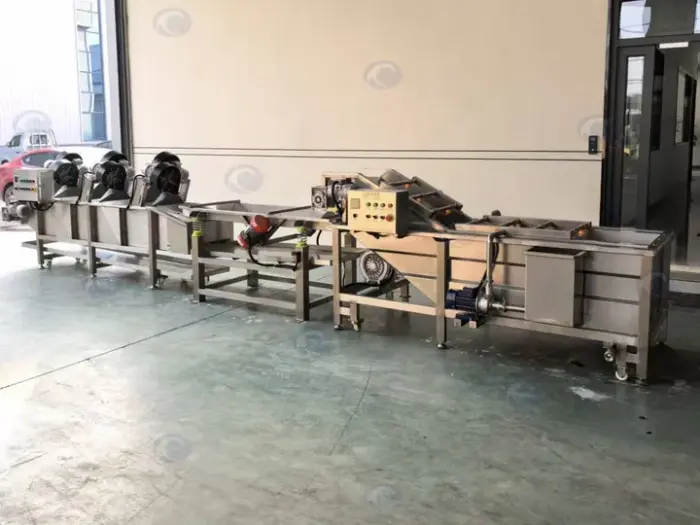
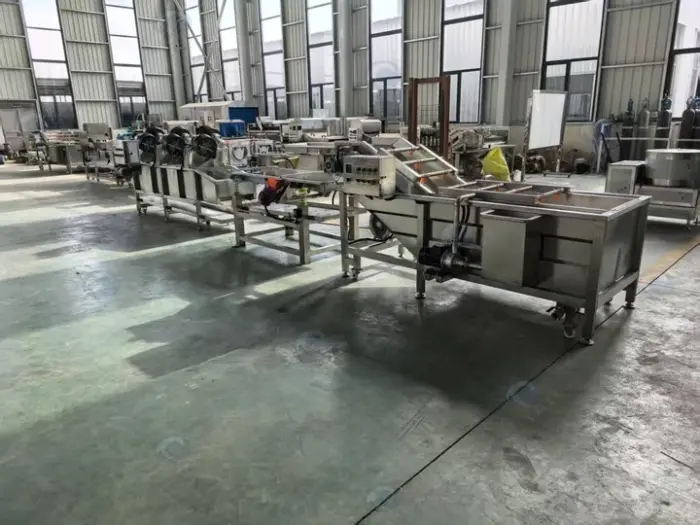
Kwa salad-focused uendeshaji, sisi kupendekeza four-stage laini ya kuoshea na kukausha matunda na mboga:
| Hatua | Mashine | Kazi | Kwa nini Hiyo Suala kwa Saladi |
|---|---|---|---|
| 1 | Ngazi ya kuingiza | Vidhibiti bidhaa kuingilia | Huzuia kuchubuka na overloads |
| 2 | Povu mashine ya kuoshea | Huondoa udongo, sand, na uso contaminants | Laini kwenye majani mboga za majani |
| 3 | Sambamba brashi mabaki kiondoa | Huondoa nyembamba mabaki na nywele | Huboresha muonekano cleanliness |
| 4 | Mtiririko wa hewa mashine ya kukausha | Huondoa unyevu wa uso | Kuongeza muda wa kuhifadhi na huboresha kufungasha |
Kwa ndogo zaidi vituo au chini ujazo, compact usanidi na tu povu mashine ya kuoshea na mtiririko wa hewa mashine ya kukausha inaweza kuwa practical kuanza hoja. Wewe inaweza kuongeza lifti ya kulisha na mabaki kiondoa baadaye kama uzalishaji kukua.
Jinsi kwa Ukubwa Laini kwa Yako Saladi Uendeshaji?
Uwezo inapaswa kulingana yako uzalishaji wa kila siku lengo, si yako kiwango cha juu theoretical hitaji.
| Kila siku Saladi Uzalishaji | Inayopendekezwa Uwezo | Kawaida Zamhu Matokeo |
|---|---|---|
| Chini ya 1,000 kg/siku | 500 kg/h | 3,000–4,000 kg kwa zamhu |
| 1,000–3,000 kg/siku | 800–1,000 kg/h | 5,000–7,000 kg kwa zamhu |
| 3,000–8,000 kg/siku | 1,500–2,000 kg/h | 10,000+ kg kwa zamhu |
Undersizing huunda vikwazo wakati wa mavuno makuu au oda kipindi. Oversizing huongeza maji, umeme, na kusafisha gharama wakati uendeshaji chini ya uwezo. zaidi bora saladi wachakataji kuchagua laini ya kuoshea mboga wao inaweza kudumisha uendeshaji kwenye 70–80% ya iliyokadiriwa uwezo.
Step-by-Step Uchaguzi Mwongozo
Kufuata hii mchakato kwa kuchagua bora kuzalisha kuoshea na kukausha vifaa kwa yako saladi biashara:
Hatua 1: Kufafanua Yako Bidhaa Kuchanganya
Orodha kila bidhaa wewe mpango kwa kuosha. Majani mboga za majani hitaji gentlest ushughulikiaji. Kukata mboga kama karoti au pilipili inaweza tolerate zaidi aggressive kupiga brashi. If wewe mchakato zote mbili, kuchagua inayoweza kurekebishwa mipangilio.
Hatua 2: Kuhesabu Halisi Kila siku Ujazo
Kutumia halisi au mradi mauzo data, si kilele hukadiria. Kujumuisha seasonality if yako ugavi fluctuates.
Hatua 3: Kupima Yako Kituo
Kuthibitisha inapatikana nafasi ya sakafu, kikomo urefu, mifereji, usambazaji wa maji, na umeme uwezo. kamili laini kawaida mahitaji 50–120 mraba mita ikiwemo kuingilia na kufungasha maeneo.
Hatua 4: Kuangalia Nguvu na Maji Mahitaji
Sanifu mifumo uendeshaji kwenye 380V/50Hz nguvu ya awamu tatu. matumizi ya maji hutegemea kwenye uwezo na iwe wewe kutumia maji kurejesha mfumo. Baadhi regions kuhitaji maji matibabu kwa kutoa.
Hatua 5: Kuomba Mpangilio Kuchora
reputable msambazaji inapaswa kutoa mpangilio proposal kuonyesha mashine placement, ukanda wa kusafirisha mtiririko, mfanyakazi vituo, na utility muunganisho.
Hatua 6: Kuuliza kwa Trial au ziara ya rejea
If possible, kujaribu yako bidhaa kwenye vifaa au kutembelea iliyopo mteja na similar matumizi.
Kawaida Mistakes kwa Kuepuka
Kuchagua Kulingana na kwenye Bei Pekee
Low-cost vifaa mara nyingi hutumia thinner chuma, weaker mota, na duni huchomelea. Katika saladi uzalishaji, wapi usafi ni muhimu, hizi shortcuts kuongoza kwa kutu, uchafuzi hatari, na frequent ukarabati.
Ignoring Maji Kurejesha
high-capacity mashine otomatiki ya kuoshea matunda na mboga inaweza kutumia kubwa amounts ya maji. maji kurejesha na kuchuja mfumo hupunguza matumizi, chini gharama, na huunga mkono sustainability claims.
Kuruka Mabaki Kiondoa
Baadhi wanunuzi try kwa kuhifadhi money kwa kutumia tu povu osha. Kwa saladi sold raw kwa consumers, ziada kusafisha hatua kwa kiasi kikubwa huboresha usalama na muonekano.
Forgetting Kuhusu Matengenezo Upatikanaji
Mashine hitaji kila siku kusafisha. If muundo si kuruhusu rahisi upatikanaji kwa mikanda, rola, na matanki, sanitation huwa polepole na incomplete.
Muonekano kwa laini ya kuoshea na kukausha matunda na mboga?
bora laini ya kuoshea na kukausha matunda na mboga kwa freshi iliyokatwa saladi uzalishaji ni one hiyo kusawazisha laini ushughulikiaji, kina kusafisha, bora kukausha, na kupandishwa muundo. Kwa saladi wachakataji, kuoshea kwa mapovu, brashi kuondoa mabaki, na mtiririko wa hewa kukausha ni kitovu teknolojia hiyo kulinda ubora wa bidhaa na usalama wa chakula.
Kabla ya kununua, kufafanua yako bidhaa kuchanganya, kila siku ujazo, na kituo constraints. Kisha kuchagua moduli laini ya kuoshea mboga hiyo inaweza kukua na yako uendeshaji bila forcing wewe kwa kuchukua nafasi ya vifaa.
Tayari kwa kusanidi saladi kuoshea na kukausha laini kwa yako kituo? Mawasiliano Taizy Machinery leo. Shiriki yako bidhaa aina, kila siku uwezo lengo, na kituo vipimo, na sisi ita kupendekeza kulia mashine otomatiki ya kuoshea matunda na mboga usanidi kwa yako freshi iliyokatwa saladi biashara.