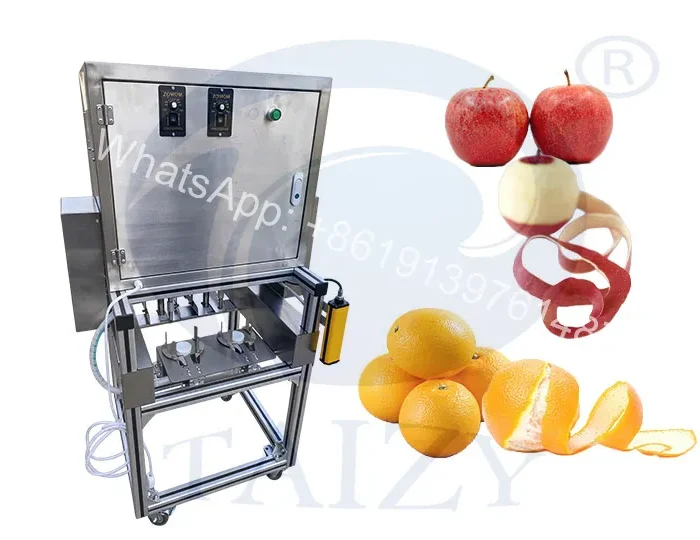
An automatic fruit peeling machine is a pneumatic processing unit designed to remove skins from pears, kiwis, oranges, and lemons at high speed. This dual-station model processes 1,000 to 1,200 fruits per hour, converting whole fruits into smooth, peeled produce ready for canning, juicing, or fresh packaging.
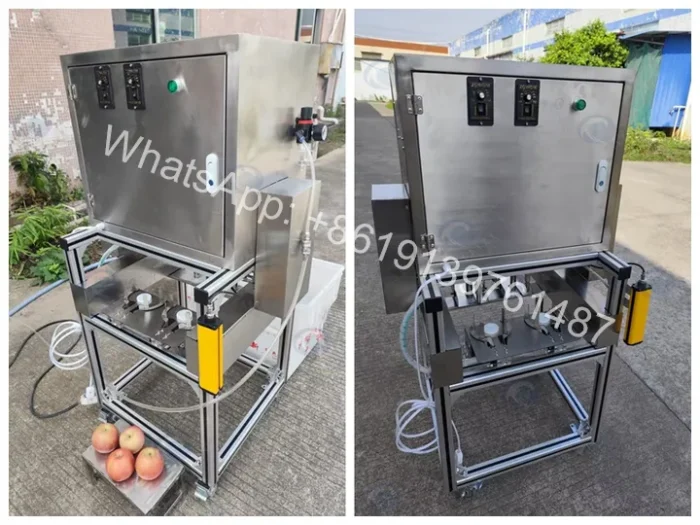
Compared with manual knife peeling or single-station machines, this industrial fruit peeler features dual working heads, 2.5 kW power output, and food-grade stainless steel construction. It peels two fruits simultaneously with precision cutting depth, significantly reducing pulp waste and labor costs. It is ideal for fruit processing plants, juice factories, and dehydrated fruit producers looking to automate their preparation line.
Taizy Machinery has supplied fruit processing equipment to over 40 countries, providing ISO-certified machinery with one-year warranty and lifetime technical support. The TZ-XL280 model requires a 50L+ air compressor (not included) to power its pneumatic peeling system.
Automatic Fruit Peeling Machine Technical Parameters
| Kipengee | Kigezo |
|---|---|
| Mfano | TZ-XL280 Dual Station Pear Peeler |
| Voltage | 220V |
| Nguvu | 2.5 kW |
| Uwezo | 1,000–1,200 pcs/hour |
| Dimension | 1000 × 600 × 1400 mm |
| Uzito | 120 kg |
| Air compressor requirement | 50L or larger (customer-provided) |
| Applicable fruits | Pears, kiwis, oranges, lemons |
How Does the Dual Station Fruit Peeling Machine Work?
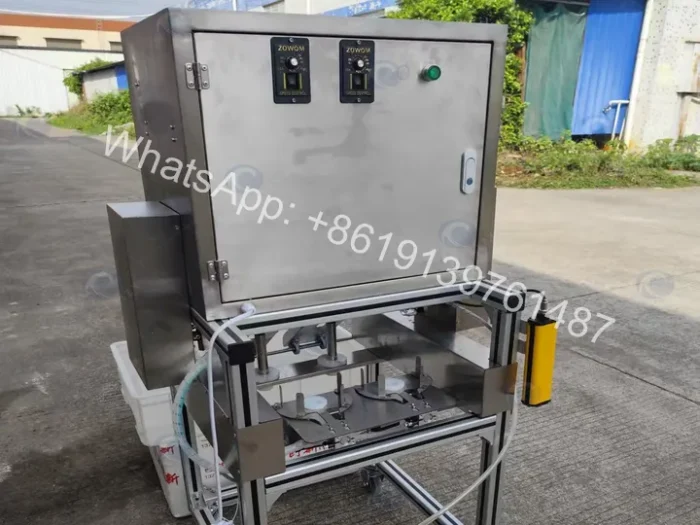
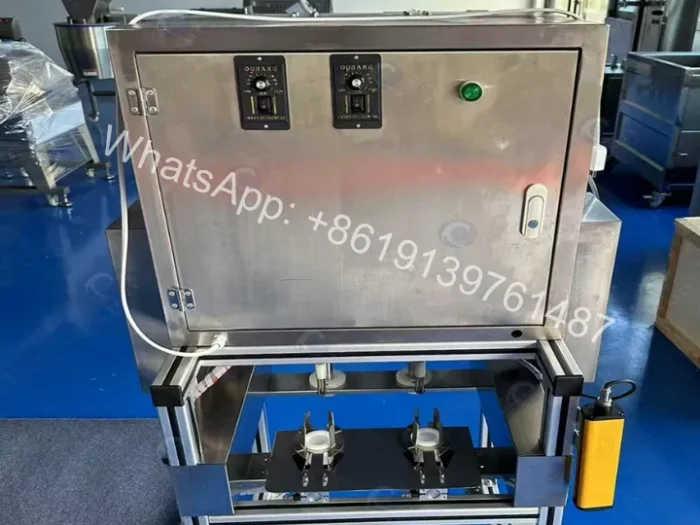
The pear peeling machine uses a pneumatic clamping system. Operators place fruits onto two vertical holders simultaneously. Rotating blades move around each fruit, removing the skin in a continuous spiral motion.
Key features include:
- Dual processing heads — Peel two fruits at once, doubling throughput without increasing footprint.
- Adjustable blade depth — Set cutting thickness for soft kiwis or hard citrus without damaging pulp.
- Pneumatic stability — Air-powered clamps hold fruits firmly during rotation, preventing slippage.
- Quick changeover — Switch between fruit sizes in under five minutes by adjusting the clamp diameter.、
Suitable Raw Materials and Processing Applications
This fruit peeler machine handles:
- Pears — For canning, drying, and fresh-cut packaging
- Kiwis — For smoothie bowls, fruit salads, and dehydrated snacks
- Oranges — For juice extraction and citrus segment production
- Lemons — For zest processing and juice factories
- Apples and peaches — With proper blade adjustment
Typical industries: Fruit canneries, juice and nectar production, dried fruit factories, central kitchens, and fruit salad processing plants.
Why Choose This Automatic Fruit Peeling Machine Over Competitors?
| Sifa | Taizy TZ-XL280 | Standard Single-Station Machines |
|---|---|---|
| Output capacity | 1,000–1,200 pcs/h | 500–600 pcs/h |
| Station design | Dual (2 fruits simultaneously) | Single |
| Labor requirement | 1 operator | 2 operators |
| Pulp waste | Less than 5% | 10–15% |
| Construction material | Full SS304 stainless steel | Partial stainless or painted steel |
| Power efficiency | 2.5 kW shared between two heads | 2–3 kW per head |
The automatic fruit peeling machine also features a compact vertical design (1000×600mm footprint), allowing it to fit into narrow production corridors where horizontal machines cannot.
Working Principle and Technical Structure
- Step 1: Loading — Operator places fruit onto the vertical spike. The pneumatic cylinder clamps the fruit from top and bottom.
- Step 2: Peeling — The fruit rotates while a sharp blade moves from top to bottom, cutting a continuous spiral peel. The blade distance from the center is adjustable for different fruit diameters.
- Step 3: Discharge — The clamp releases. The peeled fruit drops onto a collection tray, and the skin falls into a waste chute.
Critical technical detail: The machine requires clean, dry compressed air at 0.6–0.8 MPa. A 50L compressor tank ensures stable pressure during continuous operation. Without adequate air supply, the clamping force decreases, causing fruits to wobble and produce uneven peel thickness.
How Does This Fruit Peeler Solve Common Processing Pain Points?
| Pain Point | Solution | Result |
|---|---|---|
| High labor cost for manual peeling | One operator manages two peeling stations | 70% labor cost reduction |
| Inconsistent peel thickness | Adjustable blade depth and stable pneumatic rotation | Uniform 1–2 mm peel removal |
| Juice loss and pulp damage | Sharp blades with smooth rotation | Intact fruit surface, minimal juice leakage |
| Slow production during harvest peak | 1,200 fruits per hour capacity | Process 10 tons of pears in one 8-hour shift |
| Food safety concerns | Full stainless steel body | Meets HACCP and export food safety standards |
Why Choose Taizy for Your Fruit Peeling Equipment?
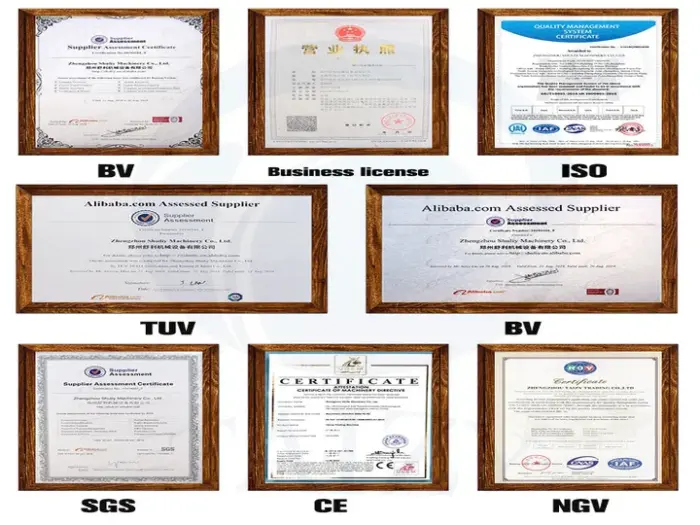
- ISO 9001 and CE certified manufacturing facility
- One-year warranty on motors, pneumatic cylinders, and cutting mechanisms
- Lifetime technical support via WhatsApp, email, and video call
- Custom voltage available (110V, 220V, 380V, 50/60Hz) for global markets
- Spare parts supply — blades, seals, and pneumatic components shipped internationally
- Factory testing — We run your fruit samples on the machine before shipment to verify capacity and peel quality
Maswali Yanayoulizwa Mara kwa Mara
Can this machine peel fruits with irregular shapes, like mango or papaya?
No. The TZ-XL280 is designed for round or oval fruits with a diameter of 60–100 mm. Irregular shapes require different peeling mechanisms. Contact us for mango-specific peeling solutions.
What air compressor specifications are required?
The machine requires a piston-type air compressor with a 50L or larger air tank, delivering at least 0.6 MPa pressure. The compressor must provide dry, oil-free air to prevent contamination.
How many fruits can one operator peel per hour?
One operator can load both stations efficiently. At the rated speed of 1,000–1,200 fruits per hour, the operator spends approximately 6–7 seconds per loading cycle, alternating between the two stations.
Is the peel thickness adjustable for different recipes?
Yes. The blade distance from the fruit center is adjustable via a hand wheel. You can set it for thin peels (1 mm) for fresh markets or thicker peels (2–3 mm) for further processing where surface texture matters less.
What maintenance does the pneumatic system require?
Drain the air compressor tank daily to remove moisture. Check the air filter regulator weekly. Lubricate the pneumatic cylinders with food-grade pneumatic oil every 500 operating hours.
Can the machine handle citrus with thick peels like grapefruit?
Yes, but with reduced speed. The blades can cut through thick citrus rind, but you should reduce the rotation speed to prevent motor overload. Grapefruit capacity is approximately 800 pcs/hour.
What happens if the power goes out during operation?
The pneumatic system has a safety lock. The clamps hold the fruit in place, and the blades retract automatically. When power resumes, you can continue without damaging the fruit or the machine.
Do you provide installation and training?
Yes. We provide English manuals, video installation guides, and live video call support for commissioning. On-site installation is available for an additional fee.
Related Products
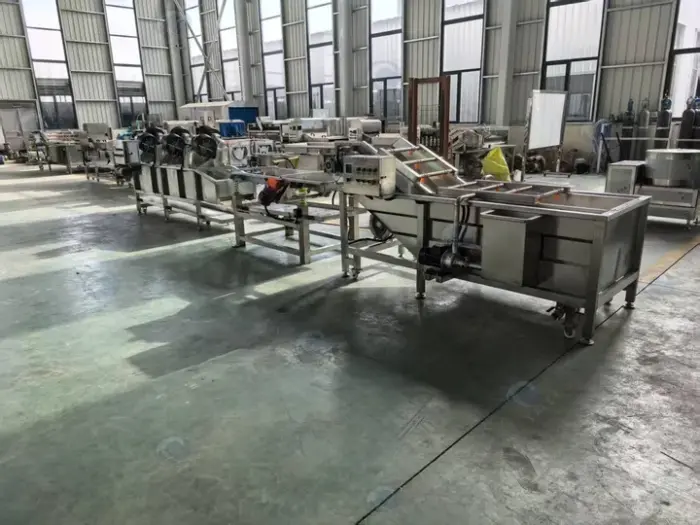
- Mstari wa Kuosha na Kukaanga Matunda na Mboga — Wash fruits before peeling
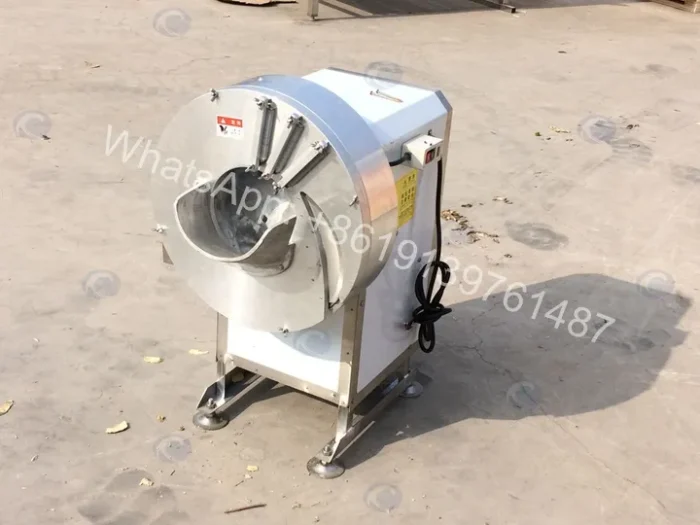
- Ginger Garlic Slicer Machine — Slice fruits after peeling
Ready to automate your fruit preparation? Contact Taizy Machinery today. Send us your fruit type, target capacity, and local voltage. We will recommend the right automatic fruit peeling machine configuration and send a quotation within 24 hours.