सही छोटी क्षमता वाली मूंगफली मक्खन उत्पादन लाइन आपके उत्पादन लक्ष्य, कच्चे माल की आपूर्ति, सुविधा स्थान, ऊर्जा स्रोत, श्रम आवश्यकताओं और बजट के अनुरूप होनी चाहिए। सही क्षमता और उपकरण कॉन्फ़िगरेशन चुनने से लागत नियंत्रित करने, एकसमान मूंगफली मक्खन गुणवत्ता बनाए रखने और भविष्य के विकास के लिए जगह छोड़ने में मदद मिल सकती है।
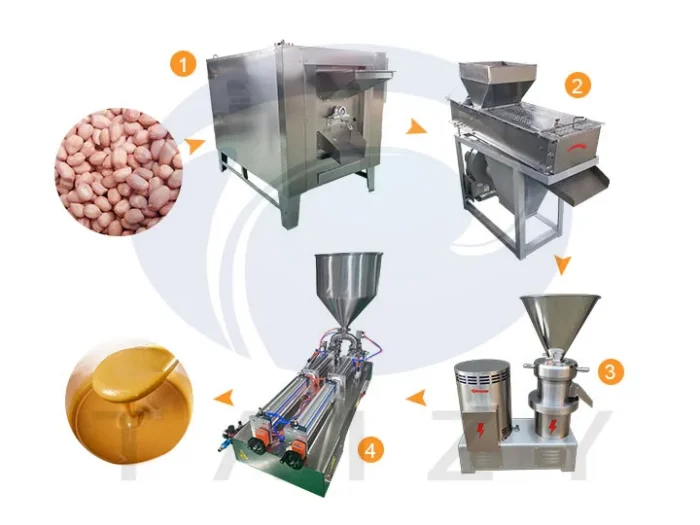
यह मार्गदर्शिका खरीदने से पहले विचार करने योग्य प्रमुख कारकों को शामिल करती है छोटी क्षमता वाली मूंगफली मक्खन उत्पादन लाइनजिनमें उत्पादन क्षमता, मूंगफली छिलका हटाना, भूनना, सूखा छीलना, ग्राइंडिंग, मिश्रण, वैक्यूम डीगैसिंग, भराई, सुविधा आवश्यकताएँ, स्वचालन और आपूर्तिकर्ता चयन शामिल हैं।
अपनी इच्छा से नहीं, उत्पादन लक्ष्य से शुरुआत करें
कई खरीदार सबसे बड़ी लाइन मांगते हैं जो वे खरीद सकते हैं। यह आमतौर पर एक गलती है। एक छोटी क्षमता वाली मूंगफली मक्खन उत्पादन लाइन का आकार दैनिक मांग के अनुसार होना चाहिए, अधिकतम महत्वाकांक्षा के अनुसार नहीं।
अपने आप से तीन प्रश्न पूछें:
- मैं प्रतिदिन कितने किलोग्राम मूंगफली मक्खन बेच सकता हूँ?
- मैं कितनी शिफ्ट चलाऊँगा?
- क्या मेरी मांग स्थिर रहेगी या मौसमी बदलेगी?
यदि आपका दैनिक बिक्री लक्ष्य 100 kg से कम है, तो 50 kg/h लाइन पर्याप्त है। यदि आप प्रतिदिन 100–300 kg बेचने की योजना बनाते हैं, तो 80–100 kg/h लघु पैमाने की मूंगफली मक्खन उत्पादन लाइन अधिक उपयुक्त है। भर सकने से अधिक क्षमता खरीदने से बिना राजस्व जोड़े सफाई समय, बिजली खपत और निष्क्रिय मूल्यह्रास बढ़ता है।
तय करें कि छिलाई चाहिए या नहीं
एक सामान्य शुरुआती निर्णय है कि बिना छिली मूंगफली संसाधित करें या छिली गिरी खरीदें।
छिली हुई मूंगफली खरीदें यदि:
- आपकी दैनिक मात्रा 200 kg से कम है
- आपके पास विश्वसनीय स्थानीय आपूर्तिकर्ता है
- आप छोटा फुटप्रिंट और कम प्रारंभिक निवेश चाहते हैं
- आप भूनने और ग्राइंडिंग गुणवत्ता पर ध्यान देना चाहते हैं
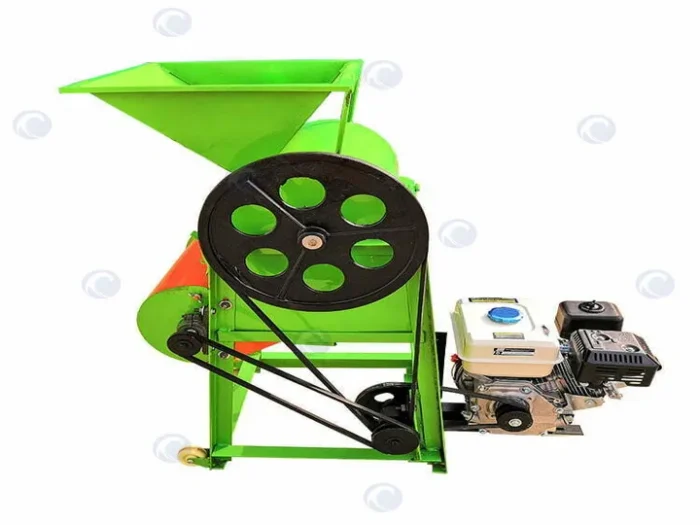
मूंगफली छिलका हटाने वाली मशीन जोड़ें यदि:
- आप किसानों या सहकारी समितियों से सीधे मूंगफली लेते हैं
- आप कच्चे माल की गुणवत्ता पर पूर्ण नियंत्रण चाहते हैं
- स्थानीय छिली मूंगफली महंगी या असंगत है
- आप कटाई सीज़न में बड़ी मात्रा संसाधित करने की योजना बनाते हैं
आपके कॉम्पैक्ट मूंगफली मक्खन प्रसंस्करण लाइन से शेलर हटाने पर उपकरण लागत और फर्श स्थान दोनों में 10–15% की कमी हो सकती है।
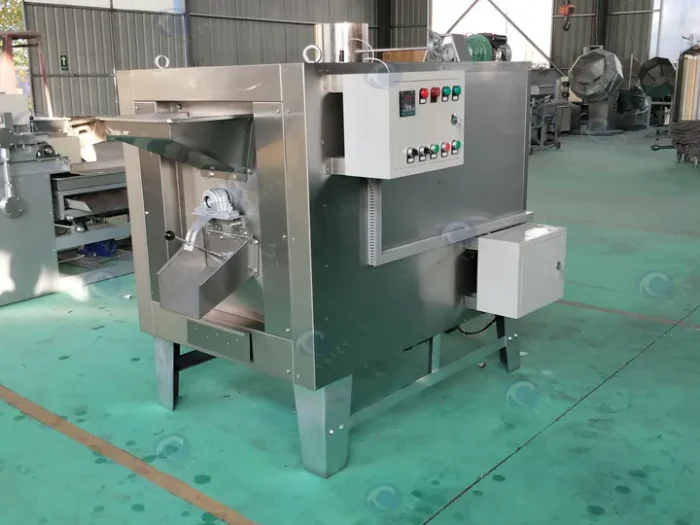
सही रोस्टर चुनें
भूनना स्वाद तय करता है। अच्छा रोस्टर कच्ची मूंगफली को सुगंधित, समान रूप से पकी गिरी में बदलता है। खराब रोस्टर कड़वे, असमान बैच बनाता है जो उत्पाद प्रतिष्ठा खराब करते हैं।
एक छोटी क्षमता वाली मूंगफली मक्खन उत्पादन लाइनके लिए, दो हीटिंग विधियाँ प्रमुख हैं:
इलेक्ट्रिक रोस्टर
- सटीक तापमान नियंत्रण
- स्वच्छ इनडोर संचालन
- प्रति घंटा उच्च ऊर्जा लागत
- स्थिर परंतु महंगी गैस वाले स्थानों हेतु सर्वोत्तम
गैस रोस्टर
- समय के साथ कम ईंधन लागत
- गैस आपूर्ति और वेंटिलेशन आवश्यक
- थोड़ी कम तापमान सटीकता
- सस्ती LPG या प्राकृतिक गैस वाले स्थानों हेतु सर्वोत्तम
अधिकांश 50–100 kg/h लाइनें ड्रम रोस्टर उपयोग करती हैं। थर्मोस्टेट नियंत्रण, समायोज्य ड्रम गति और स्टेनलेस-स्टील खाद्य-संपर्क सतहों वाला मॉडल देखें।
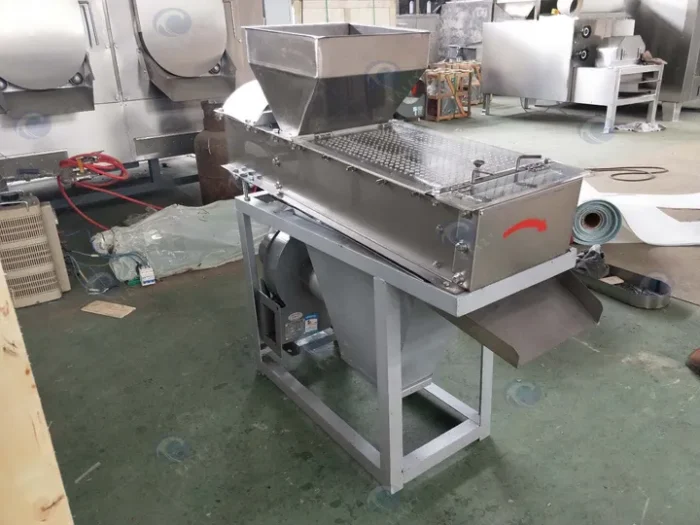
सूखा छीलना न छोड़ें
मूंगफली के छिलके कड़वाहट जोड़ते हैं और खुरदरी बनावट बनाते हैं। सूखी छीलने वाली मशीन एमरी रोलर और वायु प्रवाह से लाल छिलके हटाती है। यह मूंगफली को सूखा रखती है, जिससे भुना स्वाद संरक्षित रहता है और नमी पुनः प्रवेश नहीं करती।
गीला छीलना कभी-कभी सस्ता होता है, लेकिन यह प्रक्रिया में पानी वापस जोड़ता है। वह अतिरिक्त नमी शेल्फ लाइफ घटाती है और जीवाणु जोखिम पैदा कर सकती है। एक वाणिज्यिक लघु पैमाने की मूंगफली मक्खन उत्पादन लाइनके लिए, सूखा छीलना मानक है।
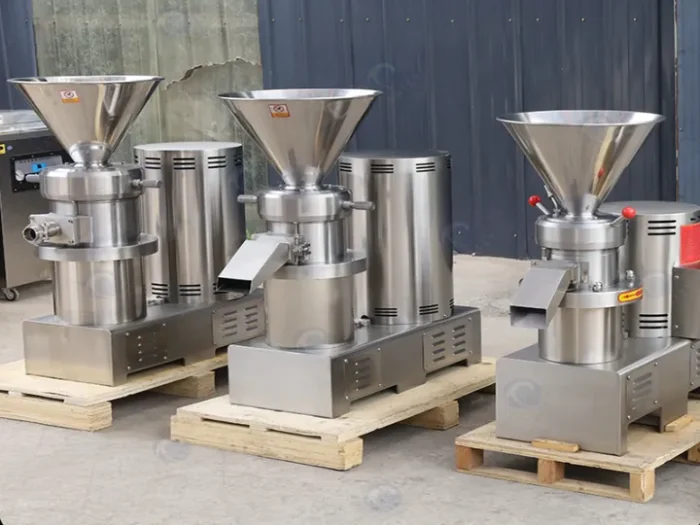
अपने बनावट लक्ष्यों से मेल खाने वाला ग्राइंडर चुनें
कोलॉइड मिल आपकी लाइन का हृदय है। यह तय करती है कि मूंगफली मक्खन चिकना, मलाईदार, दानेदार या तैलीय होगा।
ग्राइंडर चुनते समय प्रमुख कारक:
- महीनता रेंज: 2–100 μm अधिकांश बाज़ार आवश्यकताओं को कवर करता है
- कूलिंग प्रणाली: लंबे संचालन के दौरान अधिक गर्म होने से जल कूलिंग रोकती है
- पावर: 7.5 kW ग्राइंडर 80–100 kg/h विश्वसनीय रूप से संभालता है
- सामग्री: खाद्य सुरक्षा और आसान सफाई हेतु 304 स्टेनलेस स्टील
यदि आप चिकना और क्रंची दोनों मूंगफली मक्खन बनाने की योजना बनाते हैं, तो आसानी से गैप समायोजन वाला ग्राइंडर चुनें। कुछ उत्पादक चिकने मक्खन हेतु दो बार और क्रंची किस्मों हेतु एक मोटा ग्राइंड चलाते हैं।
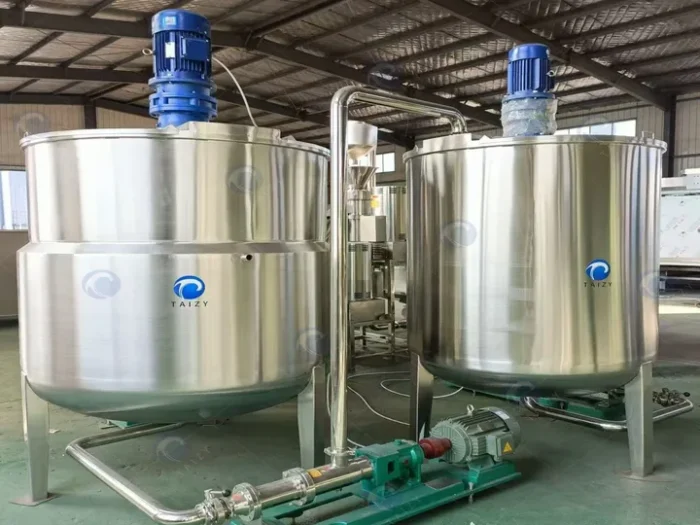
मिश्रण, डीगैसिंग और मसाला तय करें
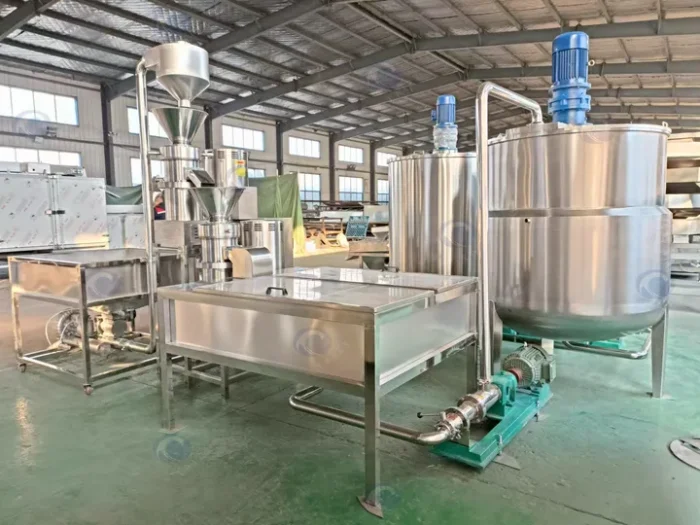
ग्राइंडिंग के बाद मूंगफली मक्खन को मिश्रण और संभवतः मसाले की आवश्यकता होती है। जैकेटेड एजिटेशन टैंक नमक, चीनी, शहद, स्टेबलाइज़र या तेल मिलाते समय पेस्ट को तरल रखता है।
फिर वह निर्णय आता है जिसे कई पहली बार खरीदने वाले अनदेखा करते हैं: वैक्यूम डीगैसिंग।
ग्राइंडिंग के दौरान फँसे वायु बुलबुले तीन समस्याएँ पैदा करते हैं:
- तेज़ ऑक्सीकरण और छोटी शेल्फ लाइफ
- जार में झागदार, अनाकर्षक स्वरूप
- असंगत बनावट
वैक्यूम डीगैसिंग टैंक इन बुलबुलों को हटाता है और शेल्फ लाइफ 3–6 महीने से बढ़ाकर 6–12 महीने कर सकता है। किसी भी मिनी मूंगफली मक्खन उत्पादन लाइन खुदरा बिक्री के उद्देश्य वाली लाइन के लिए, इस मशीन की पुरज़ोर सिफारिश की जाती है।
भराई गति को पैकेजिंग योजना से मिलाएँ
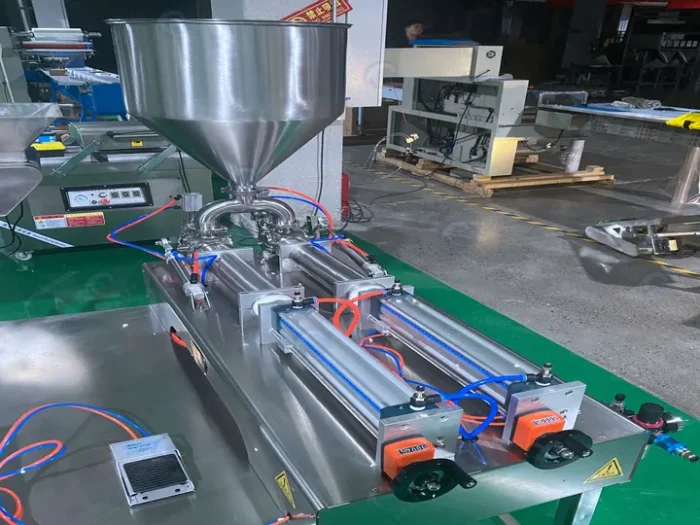
भराई मशीन वह स्थान है जहाँ उत्पाद ग्राहक से मिलता है। अर्ध-स्वचालित पिस्टन फिलर छोटी क्षमता लाइनों हेतु प्रचलित हैं क्योंकि वे गति और किफायत का संतुलन बनाते हैं।
विचार करें:
- भराई रेंज: क्या यह आपके जार आकार, आमतौर पर 100–1000 ml, संभाल सकता है?
- सटीकता: पिस्टन फिलर हेतु ±1–2% मानक है
- गति: 400–500 बोतल प्रति घंटा 100 kg/h लाइन से मेल खाती है
- कंटेनर प्रकार: जार, बोतलें या पाउच?
यदि आप कई आकारों में पैक करते हैं, तो त्वरित मात्रा समायोजन वाला फिलर चुनें। बाद में कैपिंग और लेबलिंग मशीन जोड़ने से आपकी लाइन खुदरा-तैयार प्रणाली बन जाती है।
ऑर्डर से पहले अपनी सुविधा जाँचें
A छोटी क्षमता वाली मूंगफली मक्खन उत्पादन लाइन कॉम्पैक्ट हो सकती है, लेकिन फिर भी इसे उचित बुनियादी ढाँचा चाहिए।
कोटेशन माँगने से पहले इन विवरणों की पुष्टि करें:
| वस्तु | आवश्यकता |
|---|---|
| फर्श स्थान | बुनियादी लाइन हेतु 50–80 m²; पैकेजिंग सहित पूर्ण लाइन हेतु 80–120 m² |
| छत ऊंचाई | रोस्टर एग्जॉस्ट और रखरखाव पहुँच हेतु कम से कम 2.8–3 m |
| बिजली आपूर्ति | अधिकांश मशीनों को थ्री-फेज 380V, 50 Hz चाहिए |
| वेंटिलेशन | भूनने से ऊष्मा, धुआँ और गंध निकलती है |
| जल निकासी | दैनिक सफाई हेतु फर्श नालियाँ या वॉश स्टेशन आवश्यक |
| फर्श सतह | खाद्य-सुरक्षित, धुलने योग्य, फिसलन-रोधी फर्श |
यदि आपकी सुविधा में केवल सिंगल-फेज बिजली है, तो उपकरण विकल्प सीमित होंगे। विद्युत बुनियादी ढाँचे का उन्नयन आपके बजट का हिस्सा होना चाहिए।
अपनी श्रम स्थिति के साथ स्वचालन का संतुलन
अर्ध-स्वचालित लाइन ऑपरेटरों को लोडिंग, निगरानी और पैकेजिंग में शामिल रखती है। यह स्टार्टअप हेतु आदर्श है क्योंकि यह पूंजी लागत घटाती है और समस्या निवारण आसान बनाती है।
पूर्णतः स्वचालित लाइन श्रम घटाती है लेकिन जटिलता और कीमत बढ़ाती है। अधिकांश छोटे व्यवसायों हेतु सर्वोत्तम मार्ग है:
- अर्ध-स्वचालित से शुरुआत करें
- बिक्री बढ़ने पर कन्वेयर और स्वचालित फिलर जोड़ें
- केवल तभी पूर्ण स्वचालन में उन्नयन करें जब दैनिक उत्पादन उसे उचित ठहराए
यह मॉड्यूलर दृष्टिकोण आपके निवेश की रक्षा करता है और आपकी कॉम्पैक्ट मूंगफली मक्खन प्रसंस्करण लाइन को आपके व्यवसाय के साथ बढ़ने देता है।
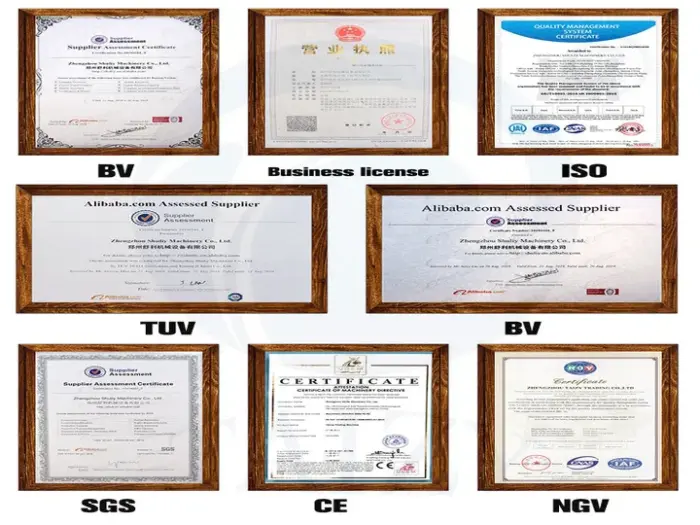
कीमत से अधिक पर आपूर्तिकर्ताओं का मूल्यांकन करें
सबसे सस्ता कोटेशन शायद ही कभी सर्वोत्तम कोटेशन होता है। आपूर्तिकर्ताओं की तुलना करते समय देखें:
- सामग्री गुणवत्ता: 304 स्टेनलेस स्टील खाद्य-संपर्क भाग
- मोटर ब्रांड: ज्ञात ब्रांड अधिक समय चलते हैं और सर्विस में आसान हैं
- स्पेयर पार्ट्स उपलब्धता: क्या आप बेल्ट, सील और ग्राइंडिंग प्लेट स्थानीय रूप से खरीद सकते हैं?
- तकनीकी सहायता: रिमोट मार्गदर्शन, स्थापना सहायता, ऑपरेटर प्रशिक्षण
- वारंटी शर्तें: मुख्य उपकरण पर कम से कम एक वर्ष
- संदर्भ: समान बाज़ारों या व्यावसायिक आकारों के ग्राहक
विश्वसनीय आपूर्तिकर्ता कोटेशन देने से पहले आपके कच्चे माल, लक्षित उत्पादन, वोल्टेज और सुविधा के बारे में पूछेगा। यदि कोई आपूर्तिकर्ता ये प्रश्न पूछे बिना कोट करता है, तो सावधान रहें।
सरल 5-चरण चयन प्रक्रिया
सही चुनने के लिए इस चेकलिस्ट का पालन करें छोटी क्षमता वाली मूंगफली मक्खन उत्पादन लाइन:
- उत्पादन परिभाषित करें — दैनिक और प्रति घंटा उत्पादन आवश्यकताओं की गणना करें
- कच्चा माल प्रवाह चुनें — छिली मूंगफली बनाम छीलने वाले सहित बिना छिली मूंगफली
- तापन विधि चुनें — स्थानीय ऊर्जा कीमतों के आधार पर इलेक्ट्रिक बनाम गैस रोस्टर
- सुविधा विशिष्टताएँ पुष्ट करें — स्थान, वोल्टेज, वेंटिलेशन, जल निकासी
- अनुकूलित कोटेशन माँगें — अपने लक्ष्य और सुविधा विवरण आपूर्तिकर्ता के साथ साझा करें
इनमें से कोई भी चरण छोड़ने से अक्सर बाद में महंगे बदलाव होते हैं।
छोटी क्षमता मूंगफली मक्खन बनाने की लाइन की तलाश है?
सही विकल्प चुनना छोटी क्षमता वाली मूंगफली मक्खन उत्पादन लाइन वास्तविक व्यावसायिक आवश्यकताओं के साथ उपकरण मिलाने पर निर्भर करता है। अपना आउटपुट लक्ष्य परिभाषित करें, अपने कच्चे माल स्रोत की पुष्टि करें, अपनी सुविधा जांचें, और स्वचालन को अपने बजट के साथ संतुलित करें। एक सुनियोजित लघु पैमाने की मूंगफली मक्खन उत्पादन लाइन एकरूप गुणवत्ता देगी, श्रम घटाएगी और विकास के लिए जगह बनाएगी।
निश्चित नहीं कि कौन-सा कॉन्फ़िगरेशन आपके व्यवसाय के लिए उपयुक्त है? आज ही Taizy Machinery से संपर्क करें। अपनी लक्ष्य क्षमता, कच्चा माल और स्थानीय वोल्टेज साझा करें, और हम सही मिनी मूंगफली मक्खन उत्पादन लाइन आपके लक्ष्यों के लिए सेटअप की सिफारिश करेंगे।