
إذا كنت تدير مزرعة تجارية لديدان الوجبة، فإن الفرز اليدوي يتحول سريعًا إلى عنق زجاجة في الإنتاج. ففصل اليرقات الحية عن الحشرات الميتة والعذارى ومخلفات الحشرات والجلود المتساقطة يدويًا يتطلب عمالة كثيفة ويؤدي إلى نتائج غير متسقة عند التوسع.
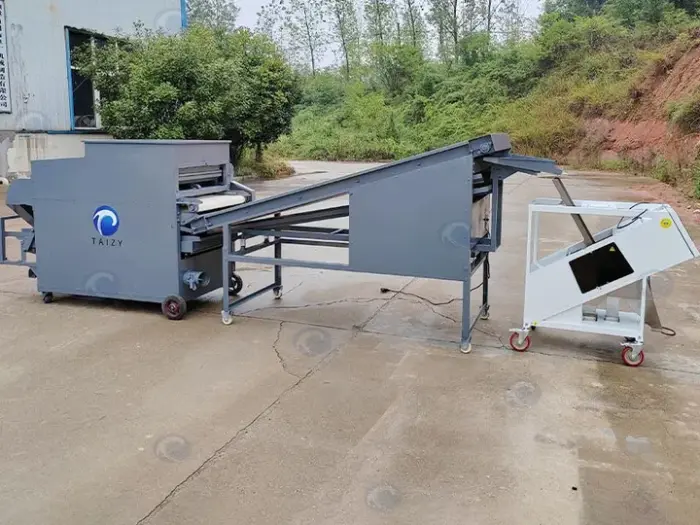
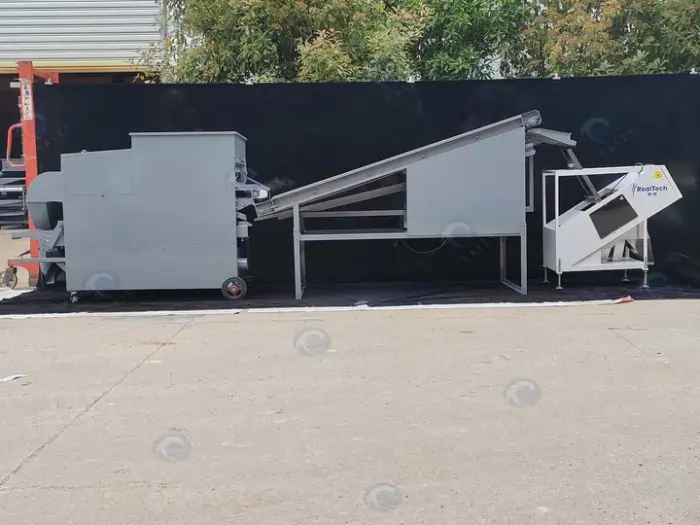
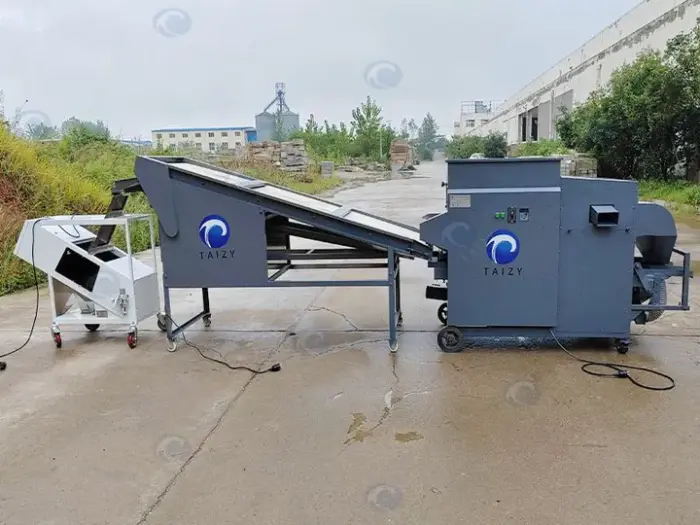
تحل آلة فرز ديدان الوجبة الأوتوماتيكية هذه المشكلة من خلال نظام فصل ميكانيكي وبصري مستمر من ثلاث مراحل. تشرح هذه المقالة بدقة كيفية عمل العملية، بدءًا من التغذية ووصولًا إلى الإخراج النهائي.
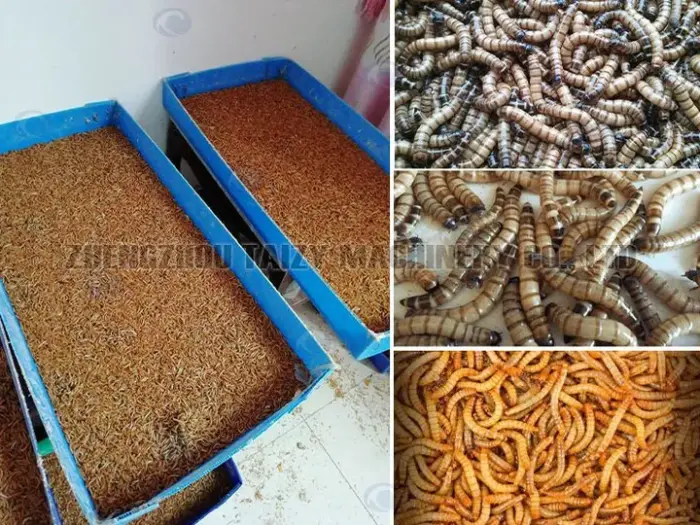
ما الذي تفعله آلة فرز ديدان الوجبة؟
ينفذ نظام فرز ديدان الوجبة الاحترافي مهام فصل متعددة في الوقت نفسه:
- إزالة مخلفات الحشرات (فصل فضلات الحشرات)
- استخراج الجلود والغبار
- التصنيف حسب الحجم (يرقات كبيرة ومتوسطة وصغيرة)
- فصل العذارى
- إزالة الحشرات الميتة
بدلًا من تنفيذ هذه العمليات بشكل منفصل، تدمج الآلة جميع العمليات في سير عمل أوتوماتيكي متواصل.
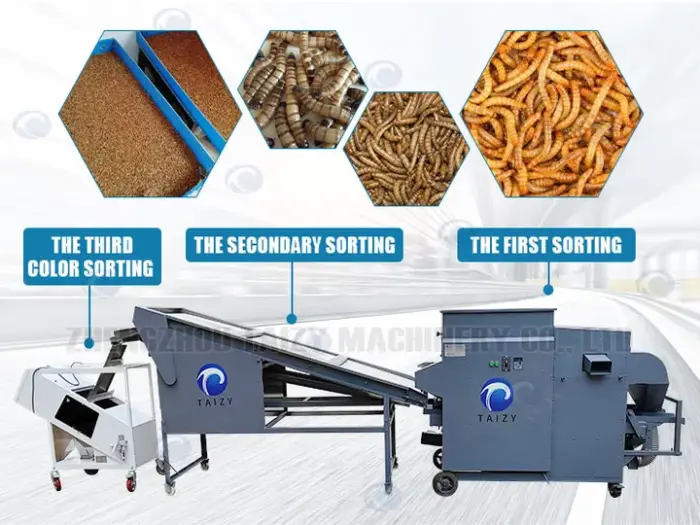
عملية الفصل من ثلاث مراحل
تعمل معدات تصنيف الحشرات الحديثة عادةً من خلال ثلاث مراحل متناسقة. تستهدف كل مرحلة تحديات فصل محددة، بينما تنتقل المواد أوتوماتيكيًا من وحدة إلى أخرى دون نقل يدوي.
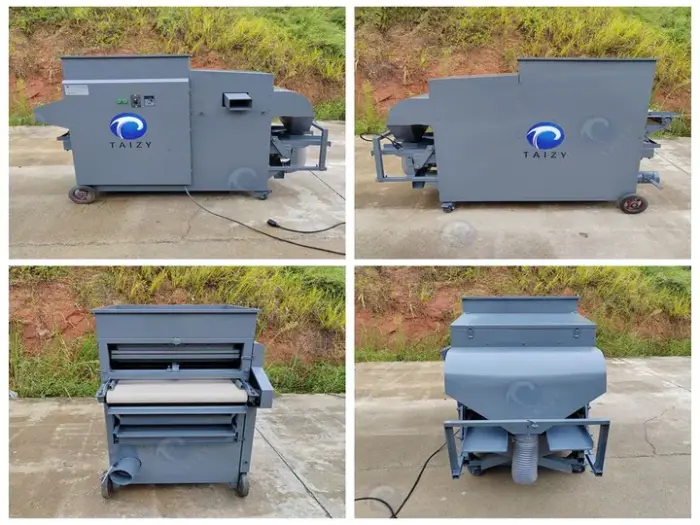
المرحلة 1: الفصل الميكانيكي الأساسي
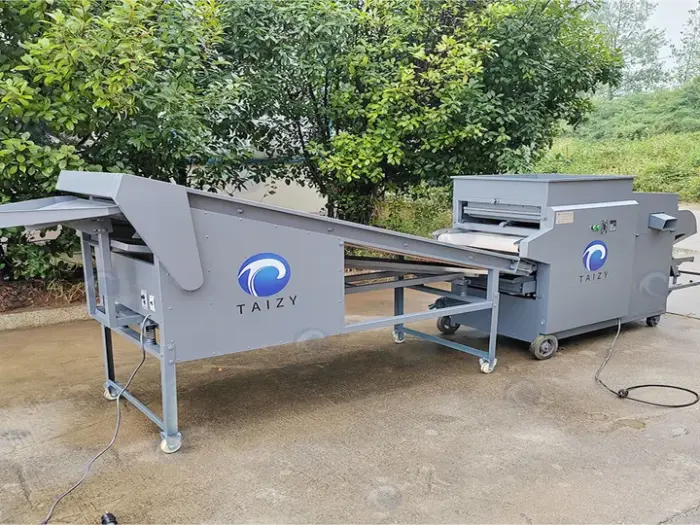
تدخل المواد الخام إلى وحدة الفاصل الرئيسية عبر قادوس التغذية. تنفذ هذه المرحلة الأولى عمليات الفصل الأساسية من خلال الجمع بين الحركة الميكانيكية والهوائية.
غربلة مخلفات الحشرات
تسقط المواد على غرابيل شبكية اهتزازية ذات فتحات محددة الحجم بدقة. تمر جزيئات مخلفات الحشرات والمخلفات الدقيقة عبر الشبكة إلى حاويات التجميع الموجودة أسفلها، بينما تبقى اليرقات على سطح الغربال. تستخدم التكوينات القياسية غرابيل علوية بمقاس 26-mesh وغرابيل سفلية بمقاس 3mm و2mm، مع إمكانية تبديل مقاسات الشبك لمراحل اليرقات المختلفة.
استخراج الجلود والغبار
تُنشئ مراوح الشفط المدمجة الموجودة فوق منطقة الغربلة تدفقًا هوائيًا متحكمًا به يرفع الجلود المتساقطة الخفيفة وجزيئات الغبار بعيدًا عن اليرقات الأثقل. وتتجمع هذه المخلفات في أكياس الترشيح المرفقة، مما يحافظ على نظافة بيئة المعالجة ويمنع جزيئات الجلود من تلويث المنتج النهائي.
الفرز الأولي حسب الحجم
يفصل نظام الحزام الناقل مزدوج الطبقات اليرقات حسب أبعادها الفيزيائية أثناء تحركها عبر سطح الغربلة. تبقى اليرقات الأكبر حجمًا على الحزام العلوي، بينما تسقط العينات الأصغر إلى المستوى السفلي. ويقلل هذا التصنيف الأولي من العبء على مراحل الفصل اللاحقة.
الفصل الأولي للعذارى والحشرات الميتة
في هذه المرحلة، يميز النظام مبدئيًا بين اليرقات النشطة والمواد غير المتحركة. إذ تتصرف العذارى والحشرات الميتة بشكل مختلف عن اليرقات الحية على الأسطح الاهتزازية، مما يتيح فصلًا أساسيًا قبل أن يعمل الفرز البصري على تحسين النتيجة.
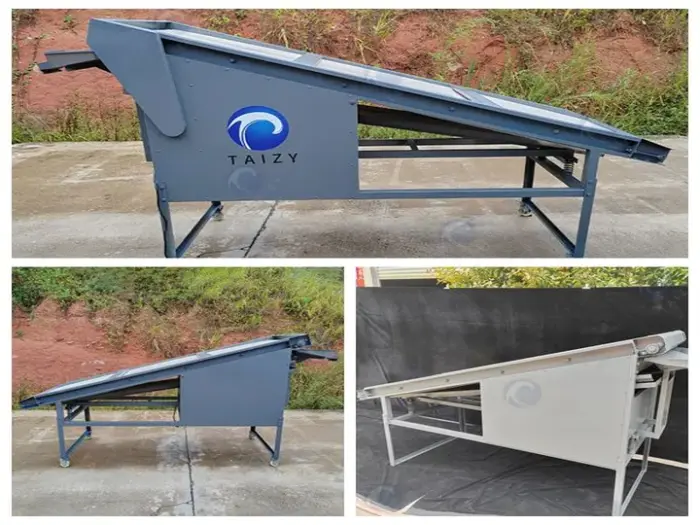
المرحلة 2: التنقية الثانوية
تنتقل المواد التي تمر عبر الفاصل الرئيسي، ولا سيما اليرقات الأصغر من الحجم ونتائج الفصل غير الحاسمة، إلى وحدة الفرز الثانوية لمزيد من المعالجة.
الرفع وإعادة التقييم
ترفع الوحدة الثانوية المواد من نقطة تفريغ الفاصل الرئيسي وتخضعها لعملية غربلة أخرى. ويكشف هذا التقييم الثاني عن اليرقات التي ربما صُنفت بشكل خاطئ أثناء الفصل الأساسي بسبب التكتل أو التغذية غير المتساوية.
إعادة تدوير اليرقات السليمة
تُعيد الوحدة الثانوية اليرقات التي تحدد أنها سليمة وذات الحجم المناسب أوتوماتيكيًا إلى مسار تغذية الفاصل الرئيسي لإعادة تصنيفها. وتضمن حلقة إعادة التدوير هذه الحد الأدنى من فقدان المنتج القيّم وتحسن دقة الفصل الإجمالية.
توجيه المخلفات
تتجه المواد التي تم التأكد من كونها عذارى أو حشرات ميتة أو مخلفات غير يرقية نحو وحدة فرز الألوان الاختيارية. ويمنع هذا التدفق الموجه إعادة تلويث اليرقات السليمة التي تم فرزها بالفعل، كما يسهّل التعامل مع المخلفات.
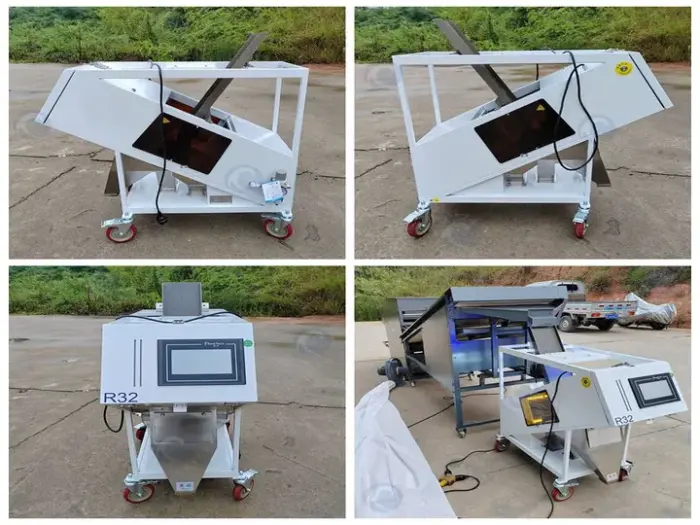
المرحلة 3: الفرز البصري حسب اللون
تستخدم مرحلة التنقية النهائية تقنية الرؤية الآلية لتحقيق دقة لا يمكن للفصل الميكانيكي وحده أن يضاهيها.
الكشف بواسطة مستشعر الألوان
تفحص المستشعرات البصرية عالية الدقة كل قطعة من المواد أثناء مرورها عبر حجرة الرؤية في آلة فرز الألوان. ويتعرف النظام على اختلافات الألوان بين اليرقات الذهبية السليمة والحشرات الميتة السوداء والشوائب ذات الألوان غير المطابقة.
الإخراج الهوائي
عندما تحدد المستشعرات وجود مادة غير مطابقة، تنفث نفاثات هواء موقوتة بدقة القطعة غير المرغوب فيها خارج مسار المنتج. وتواصل اليرقات السليمة سيرها في مسار المنتج المعتمد. وتعمل عملية القذف هذه بسرعة عالية، فتحافظ على معدل الإنتاج مع تحقيق دقة استثنائية.
إخراج المنتج النهائي
تمثل اليرقات الخارجة من آلة فرز الألوان المنتج النهائي، إذ تكون ذات حجم مناسب وخالية من الحشرات الميتة والمخلفات، وجاهزة للتعبئة أو لمزيد من المعالجة. وفي ظروف التشغيل القياسية عند 25°C وما فوق، تحقق هذه العملية المؤلفة من ثلاث مراحل دقة فصل تبلغ 99%+ .
معلمات التشغيل الأساسية
يساعد فهم المتغيرات القابلة للضبط على تحسين أداء فاصل ديدان الوجبة وفقًا لظروف المواد الخام المختلفة.
سرعة الحزام الناقل
تتحكم محركات التردد المتغير في سرعة أحزمة الفرز العلوية والسفلية. وتزيد السرعات الأبطأ من دقة الفصل للمواد الصعبة، لكنها تقلل معدل الإنتاج بالساعة. بينما تعمل السرعات الأسرع على زيادة الإنتاج عندما تكون جودة المواد الخام ثابتة.
حجم تدفق الهواء للمروحة
يحدد معدل تدفق الهواء في مروحة الشفط مدى فعالية النظام في إزالة الجلود والغبار الخفيفين. ويحسن تدفق الهواء الأعلى عملية الاستخراج، لكنه يتطلب طاقة أكبر وقد يرفع اليرقات الصغيرة إذا تم ضبطه بقوة مفرطة. ويوازن المشغلون بين كفاءة الاستخراج والحفاظ على المنتج.
معدل التغذية
تضمن التغذية المنتظمة للمواد عدم تحميل الغربال فوق طاقته وتحافظ على استقرار أداء الفصل. ويستخدم معظم المشغلين نظام التحكم في السرعة المتغيرة لمصعد التغذية لمطابقة إنتاج المرحلة السابقة مع قدرة الفرز في المرحلة اللاحقة.
اختيار الغربال
تتيح أحجام الشبك المختلفة التعامل مع اليرقات في مراحل نمو متعددة. تحتاج يرقات العمر الأول إلى غرابيل أدق من الحشرات البالغة. وتسمح إطارات الغربال سريعة الفك بتغييرها خلال دقائق دون الحاجة إلى أدوات.
ما الذي يحدث عند غياب كل مرحلة
يساعد فهم قيمة كل مكوّن على تحديد التكوين الذي يتوافق مع احتياجاتك التشغيلية.
من دون جهاز الفرز الثانوي
تحقق التكوينات الأساسية المكونة من وحدتين (الفاصل الرئيسي بالإضافة إلى جهاز فرز الألوان) نتائج جيدة للمواد الخام النظيفة والموحدة. إلا أنك ستفقد ميزة إعادة التدوير والفرز الثانوي، مما قد يقلل الدقة بنسبة 3-5% ويزيد فقدان المنتج.
من دون فارز الألوان
يتعامل الفصل الميكانيكي وحده بفعالية مع فضلات الديدان والجلود وتصنيف الأحجام. إلا أن التمييز بين الحشرات الميتة واليرقات الحية بالوسائل الميكانيكية وحدها غير موثوق. ومن دون الفرز البصري، يُتوقع وجود بعض اليرقات الميتة في المنتج النهائي ما لم تُدعَم العملية بالفرز اليدوي.
من دون تدفق هواء مناسب
يؤدي التشغيل بقوة شفط غير كافية إلى بقاء الجلود والغبار في مسار المنتج، مما يضعف المظهر وقد يسبب مشكلات تنفسية للعاملين. كما يسمح تدفق الهواء غير الكافي بتراكم الحطام الدقيق على الغرابيل، مما يقلل كفاءة الفصل بمرور الوقت.
توقعات الأداء في الظروف الفعلية
توفر الاختبارات المعملية وبيانات التشغيل الميداني معايير واقعية لأداء أجهزة فرز الحشرات الآلية.
معالجة اليرقات الحية الطازجة
تعالج التكوينات القياسية المكونة من وحدتين (الفاصل الرئيسي بالإضافة إلى جهاز الفرز الثانوي) ما بين 400-600 kg من اليرقات الطازجة في الساعة. وتفترض هذه القدرة الإنتاجية وجود مواد خام نظيفة إلى حد معقول، وبنسب طبيعية من الفضلات والجلود.
معالجة اليرقات المجففة مسبقًا
تؤدي إضافة جهاز فرز الألوان ومعالجة المواد المجففة مسبقًا إلى زيادة القدرة الإنتاجية إلى 500-700 kg/h. وتتدفق المواد الأكثر جفافًا بحرية أكبر عبر الغرابيل وغرف الفرز البصري، مما يسمح بمعدلات تغذية أعلى دون فقدان الدقة.
الدقة في الظروف القياسية
عند درجات تشغيل تبلغ 25°C فأعلى، ومع اختيار الغرابيل المناسب ومعايرة تدفق الهواء، يحقق النظام ثلاثي المراحل باستمرار نقاءً يتجاوز 99% في المنتج النهائي. وتؤدي درجات الحرارة المنخفضة إلى إبطاء حركة اليرقات وقد تقلل كفاءة الفصل الميكانيكي قليلًا.
التحديات التشغيلية الشائعة
حتى معدات فرز ديدان الوجبة المصممة جيدًا تتطلب تشغيلًا صحيحًا لتحقيق الأداء المقدر لها.
التغذية غير المنتظمة
يؤدي تدفق المواد غير المنتظم إلى التناوب بين حالات التحميل الزائد والتحميل المنخفض. تسمح الغرابيل المحملة فوق طاقتها بمرور الحطام مع اليرقات، بينما تهدر حالات التحميل المنخفض القدرة الإنتاجية. استخدم وحدة التغذية ذات السرعة المتغيرة للحفاظ على عمق ثابت للمواد فوق الغرابيل.
اختيار الغربال الخاطئ
تسمح الغرابيل الخشنة جدًا بمرور اليرقات الصغيرة إلى مسارات النفايات، بينما تسبب الغرابيل الدقيقة جدًا اختناقات وتقلل القدرة الإنتاجية. طابق فتحة الغربال مع نطاق أحجام اليرقات المستهدف، وغيّر الغرابيل عند معالجة مراحل نمو مختلفة.
التنظيف غير الكافي
تتراكم الفضلات والجزيئات الدقيقة على الغرابيل أثناء التشغيل الممتد، مما يؤدي تدريجيًا إلى انسداد فتحات الشبك وتقليل كفاءة الفصل. يحافظ تنظيف الغرابيل وفق جدول منتظم، عادةً كل 2-4 ساعات من التشغيل المستمر، على الأداء المقدر.
إعدادات تدفق الهواء غير المناسبة
يؤدي تدفق الهواء المفرط إلى رفع اليرقات الصغيرة ذات القيمة إلى حاوية النفايات، بينما يترك تدفق الهواء غير الكافي الحطام في المنتج. عاير تدفق الهواء عند تغيير أنواع المواد الخام أو محتوى الرطوبة.
اختيار آلة فرز ديدان الوجبة
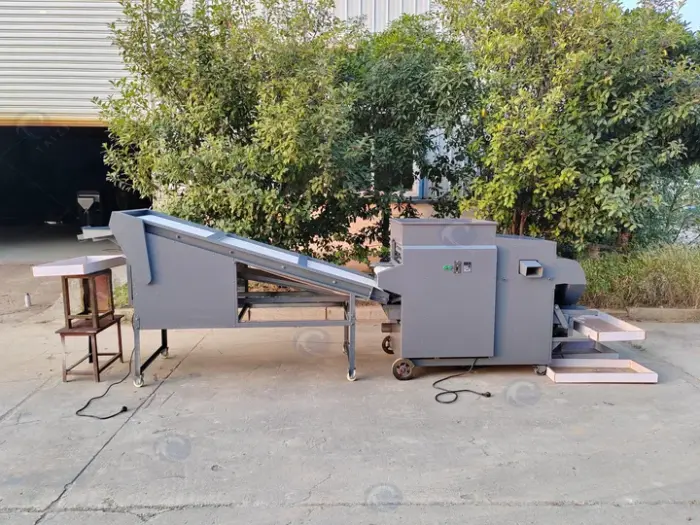
تحدد متطلباتك التشغيلية تكوين آلة معالجة ديدان الوجبة الذي يحقق أفضل قيمة.
التكوين الأساسي (الفاصل الرئيسي + جهاز الفرز الثانوي)
مناسب للمزارع التي تبيع اليرقات إلى معالِجين وسيطين أو تستخدمها كعلف للحيوانات، حيث لا تكون النقاوة الكاملة أمرًا ضروريًا. يتعامل بفعالية مع إزالة الفضلات وتصنيف الأحجام والفصل الأولي للحشرات الميتة.
التكوين الكامل (الوحدات الثلاث جميعها)
ضروري للعمليات التي تبيع يرقات عالية الجودة للاستهلاك البشري أو أغذية الحيوانات الأليفة أو أسواق التصدير، حيث لا يُقبل تلوث المنتج بالحشرات الميتة. وتبرر الدقة البصرية لجهاز فرز الألوان تكلفته في التطبيقات ذات القيمة العالية.
اتصل بنا
هل تحتاج إلى حل لفرز ديدان الوجبة؟ اتصل بـ Taizy Machinery لمناقشة حجم مزرعتك وحجم المعالجة اليومي ومتطلبات جودة المنتج. سيوصي فريقنا الفني بالتكوين الأمثل ويقدم المواصفات التفصيلية المناسبة لعمليتك.