
Честный ответ: это зависит от обстоятельств. Стоимость небольшой линии для производства арахисовой пасты не является фиксированной, поскольку у каждого покупателя свои виды сырья, суточные производственные планы, требования к автоматизации и местные нормативы. Некоторым производителям нужны только обжарка, измельчение и фасовка. Другие хотят объединить в одной интегрированной системе шелушение, очистку, вакуумную дегазацию, укупорку и маркировку.
В этой статье объясняется, какие факторы влияют на стоимость компактной линии по переработке арахиса в пасту, за что именно вы платите и как запросить коммерческое предложение, соответствующее вашим реальным производственным целям. К концу статьи вы будете знать, какие вопросы задать и какую информацию подготовить перед обращением к поставщику.
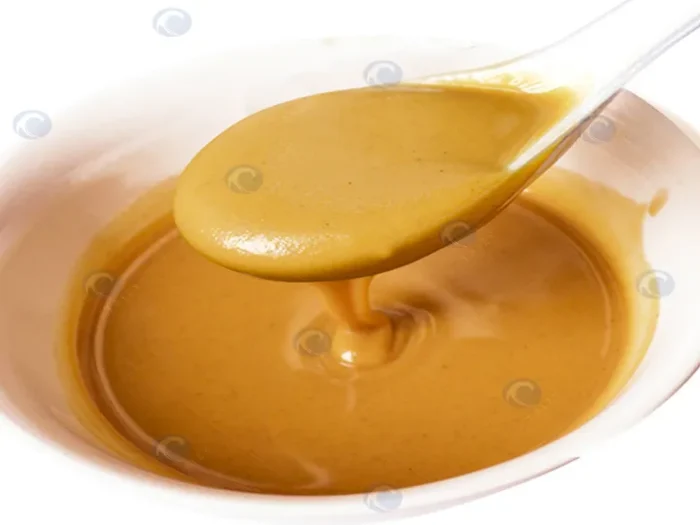
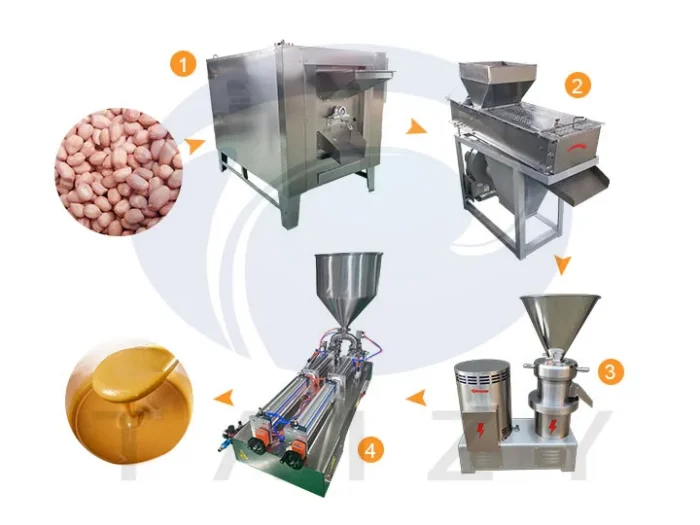
Какое оборудование входит в небольшую линию для производства арахисовой пасты?
Небольшая линия для производства арахисовой пасты представляет собой полуавтоматическую систему переработки, рассчитанную на производительность от 50 kg до 100 kg в час. Она больше, чем отдельная кухонная мельница, но меньше полностью автоматизированной промышленной установки.
Типичная линия включает:
- Обжарочная машина для арахиса
- Машина для очистки арахиса
- Коллоидная мельница-измельчитель
- Смесительный или накопительный резервуар
- Вакуумная дегазационная емкость
- Фасовочная машина
- Оборудование для укупорки и маркировки
Некоторые покупатели также устанавливают шелушильную машину в начале линии или упаковочный конвейер в конце. Каждое дополнительное оборудование влияет как на занимаемую площадь, так и на итоговое коммерческое предложение.
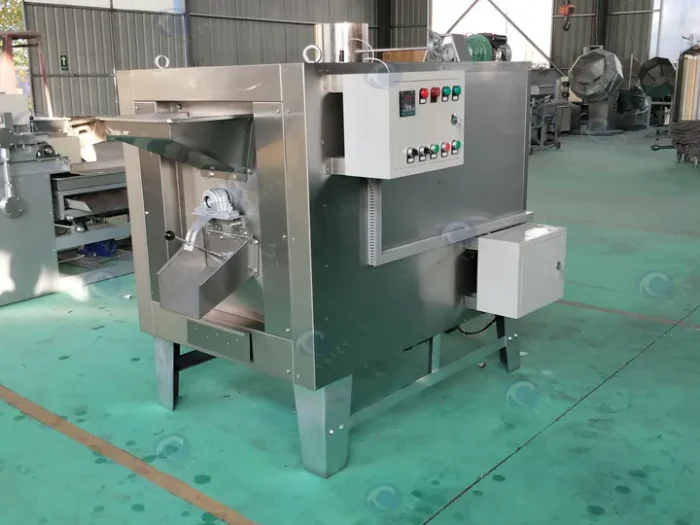
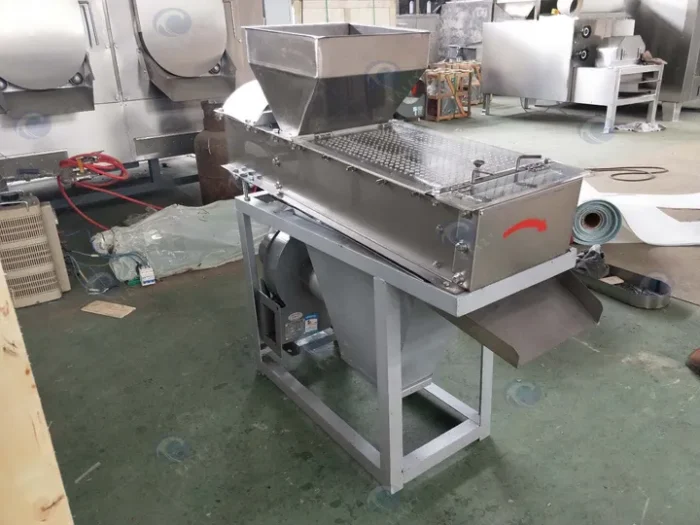
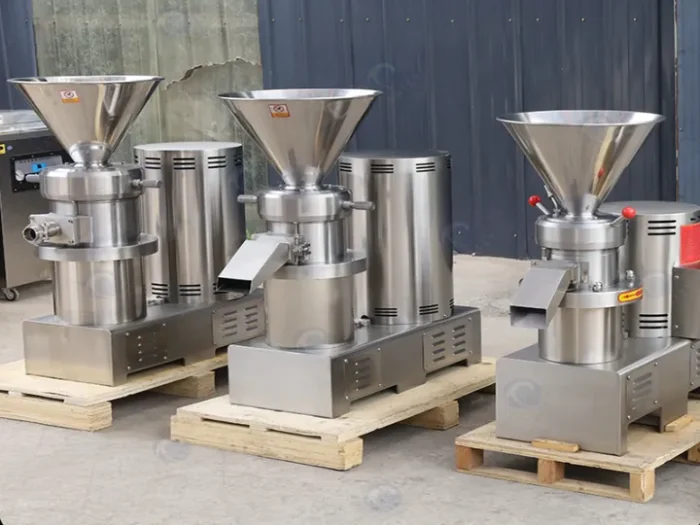
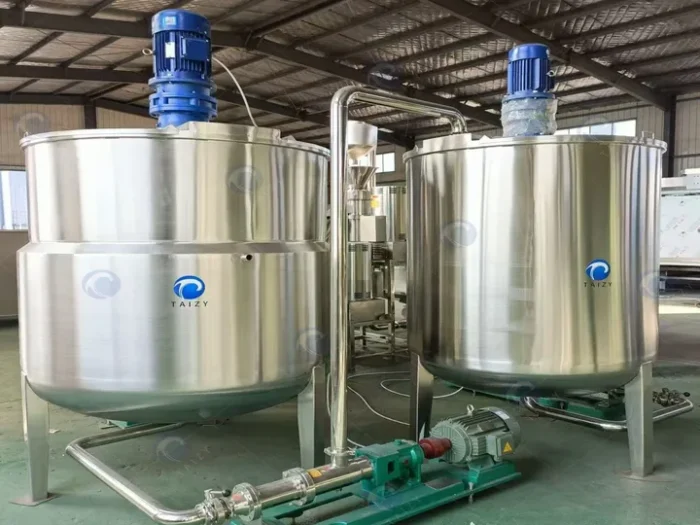
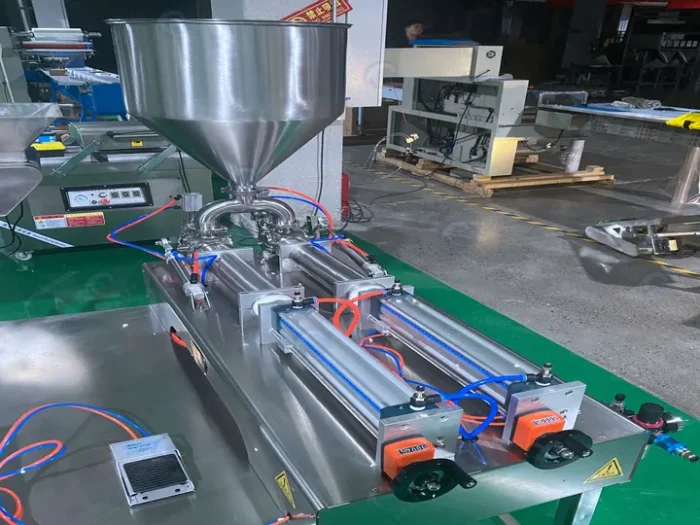
7 факторов, влияющих на стоимость небольшой линии для производства арахисовой пасты
1. Производительность в час
В мини-линии для производства арахисовой пасты производительностью 50 kg/h используются двигатели и резервуары меньшего размера, а также требуется меньше места на полу. В линии производительностью 100 kg/h применяются более крупные обжарочные машины, более мощные измельчители и более быстрые фасовочные машины. Более высокая производительность почти всегда означает большие инвестиции.
2. Уровень автоматизации
При использовании полуавтоматического оборудования операторы участвуют в загрузке, контроле и упаковке продукции. Полностью автоматические системы дополнительно оснащаются конвейерами, датчиками и централизованными системами управления. Чем меньше ручного участия требуется в процессе, тем выше цена.
3. Способ нагрева обжарочной машины
Электрические обжарочные машины экологичны и просты в управлении. Газовые обжарочные машины со временем обходятся дешевле в эксплуатации, но могут потребовать газовой инфраструктуры и более эффективной вентиляции. При принятии решения следует учитывать местные цены на энергоносители.
4. Материалы и качество изготовления
Детали, контактирующие с пищевыми продуктами, должны быть изготовлены из нержавеющей стали 304. Машины с более тонкой сталью, покрытиями, не предназначенными для контакта с пищевыми продуктами, или двигателями более низкого качества могут изначально выглядеть дешевле. Однако обычно они обходятся дороже из-за ремонта, простоев и брака партий.
5. Количество этапов переработки
Базовая комплектация может включать только обжарку, измельчение и фасовку. Полная линия дополнительно включает сухую очистку, вакуумную дегазацию, смешивание, укупорку и маркировку. Каждый дополнительный этап улучшает качество продукта и увеличивает срок его хранения, но повышает общую стоимость.
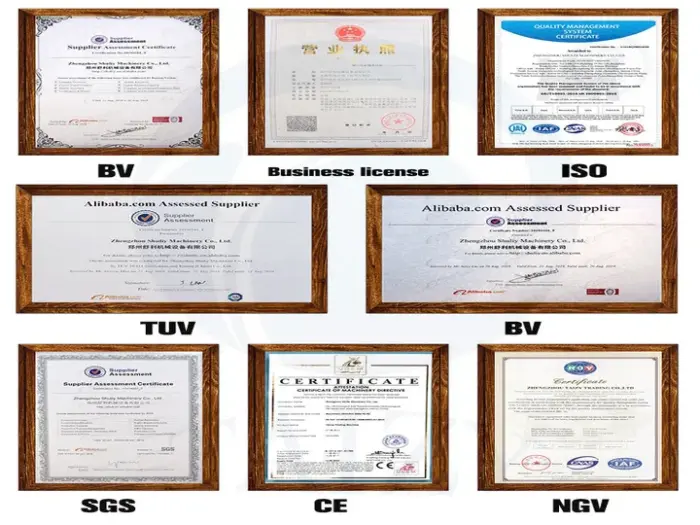
6. Электрическое напряжение и сертификация
В некоторых регионах требуется трёхфазное питание 380V. В других используется однофазное питание 220V или определённые стандарты вилок. Настройка напряжения, маркировка CE или местные электротехнические разрешения могут повлиять на стоимость и сроки поставки.
7. Доставка, установка и обучение
Стоимость оборудования — лишь часть общих инвестиций. Морская или авиадоставка, таможенное оформление, местная установка, подключение к электросети и обучение операторов формируют итоговый бюджет.
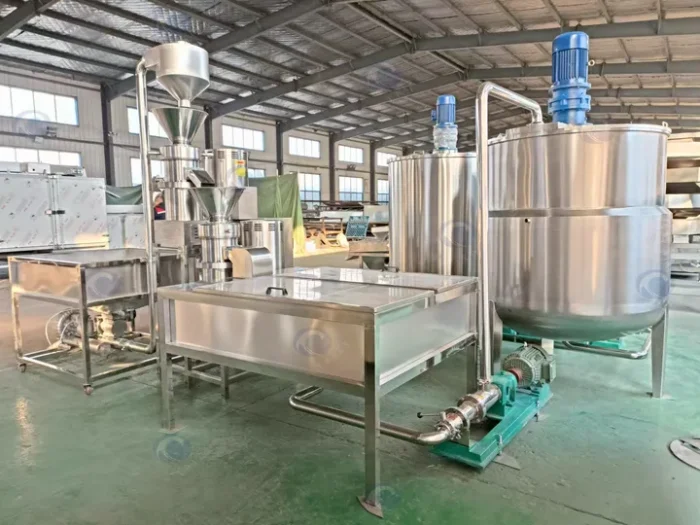
Базовая, стандартная и полная конфигурации
Чтобы понять принцип формирования цены без указания фиксированной суммы, удобно рассмотреть три уровня.
Базовая конфигурация
- Обжарочная машина
- Коллоидная мельница-измельчитель
- Полуавтоматический дозатор
Этот вариант подходит производителям, которые уже закупают очищенный арахис и хотят быстро начать производство. Он занимает минимум места и требует наименьших инвестиций.
Стандартная конфигурация
- Обжарочная машина
- Машина для сухой очистки
- Коллоидная мельница-измельчитель
- Смесительный бак
- Полуавтоматический дозатор
- Укупорочная машина
Это наиболее распространённая конфигурация для стартапов и небольших фабрик. Она позволяет производить однородную арахисовую пасту с базовой упаковкой.
Полная конфигурация
- Машина для очистки арахиса от скорлупы
- Обжарочная машина
- Машина для сухой очистки
- Коллоидная мельница-измельчитель
- Смесительный бак
- Вакуумная дегазационная емкость
- Фасовочная машина
- Укупорочная машина
- Этикетировочная машина
Такая конфигурация охватывает весь процесс — от арахиса в скорлупе до готовых к продаже банок. Она идеально подходит кооперативам, брендам, ориентированным на экспорт, и предприятиям, планирующим стабильный рост.
За что вы на самом деле платите?
Инвестируя в небольшую линию по производству арахисовой пасты, вы покупаете не только металл и электродвигатели. Вы платите за:
- Стабильность: каждая партия имеет одинаковый вкус, поскольку обжарка, измельчение и смешивание выполняются механизированно.
- Скорость: линия за один час может выполнить объём работы, на который при ручном труде потребовался бы целый день.
- Срок хранения: вакуумная дегазация и надёжная герметизация увеличивают срок хранения продукта с нескольких недель до нескольких месяцев.
- Безопасность пищевой продукции: поверхности из нержавеющей стали, контролируемая температура и закрытые системы снижают риск загрязнения.
- Масштабируемость: модульное оборудование позволяет позднее увеличить производительность, не заменяя всю линию. Более низкая цена часто означает отказ от одного или нескольких из этих преимуществ.
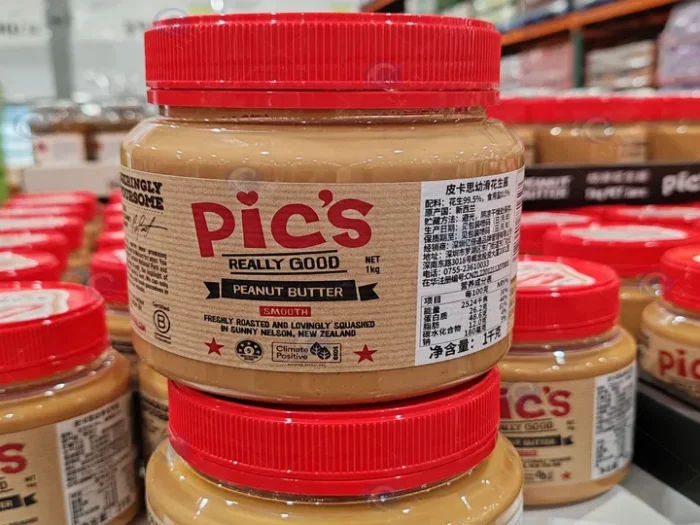
Скрытые расходы, которые необходимо учесть
Многие покупатели, приобретающие оборудование впервые, ориентируются только на коммерческое предложение. Убедитесь, что ваш бюджет также включает:
- Модернизацию электроснабжения или подключение к трёхфазной сети
- Вентиляцию и вытяжку в зоне обжарки
- Пищевые напольные покрытия, дренаж и моечные станции
- Анализ сырья, особенно проверку на афлатоксины
- Упаковочные материалы, такие как банки, крышки, этикетки и картонные коробки
- Первоначальный запас запасных частей
- Чистящие средства и пищевые смазочные материалы.
Заблаговременное планирование этих расходов позволяет избежать непредвиденных затрат после доставки оборудования.
Как получить точное коммерческое предложение?
Поставщики не смогут назвать надёжную цену, не зная ваших условий. Перед запросом коммерческого предложения подготовьте следующую информацию:
- Целевая производительность — сколько килограммов в час или в день?
- Сырьё — очищенный арахис, арахис в скорлупе или обжаренные ядра?
- Конечный продукт — однородная, хрустящая, натуральная, ароматизированная паста или все эти варианты?
- Упаковка — размер банки, дизайн этикетки и способ герметизации
- Ваше помещение — доступная площадь, высота потолка и электроснабжение
- Местное напряжение — однофазное или трёхфазное, 220V или 380V, 50Hz или 60Hz
- Требования к сертификации — CE, ISO или местные требования к безопасности пищевой продукции.
На основании этой информации поставщик сможет рекомендовать подходящую комбинацию оборудования и предоставить точное коммерческое предложение.
Вы также можете связаться с Taizy Machinery через три способа связи во всплывающем окне справа, чтобы получить коммерческое предложение. Мы предоставим вам расчёт стоимости и более подробную информацию об оборудовании в течение 24 часов.
Ищете линию по производству арахисовой пасты?
The Малогабаритная линия по производству арахисовой пасты стоимость зависит от производительности, уровня автоматизации, комплектации и местных требований, а не от какого-либо одного показателя. Вместо поиска фиксированной цены сначала определите производственные цели. Затем запросите индивидуальное коммерческое предложение с учетом вашего сырья, требуемой производительности и условий на объекте.
Хотите получить индивидуальное коммерческое предложение для вашего проекта? Свяжитесь с Taizy Machinery сегодня. Сообщите нам целевую производительность, вид сырья и напряжение, и мы подберём подходящую конфигурацию компактной линии по переработке арахиса с учётом вашего бюджета.
Часто задаваемые вопросы
Подходит ли линия для производства арахисовой пасты малой производительности для домашнего бизнеса?
Большинство линий производительностью 50–100 kg/h предназначены для коммерческих производственных помещений, а не для бытовых кухонь. Обычно требуется лицензированное помещение для пищевого производства с надлежащей вентиляцией, дренажом и электроснабжением.
Можно ли начать с одной машины, а остальные добавить позже?
Да. Многие покупатели начинают с обжарочной машины, измельчителя и наполнителя, а затем по мере роста продаж добавляют оборудование для очистки, дегазации и упаковки. Модульное расширение — одно из главных преимуществ полуавтоматической установки.
Сколько производственной площади мне потребуется?
Базовая линия занимает примерно 40–60 квадратных метров. Для полной линии с оборудованием для шелушения, очистки, смешивания, дегазации, наполнения, укупорки и этикетирования обычно требуется 80–120 квадратных метров, включая зоны хранения и мойки.
Какое электроснабжение требуется?
Большинство машин работают от трёхфазной сети 380V, 50 Hz. Для небольших вспомогательных установок может использоваться однофазная сеть 220V. Перед заказом всегда уточняйте напряжение в вашем регионе.
Можно ли на этом же оборудовании производить другие ореховые пасты?
Да. Коллоидная мельница может перерабатывать миндаль, кешью, фундук и кунжут. Может потребоваться отрегулировать параметры измельчения и тщательно очищать оборудование при переходе между аллергенами
Сколько времени занимают доставка и установка?
Производство обычно занимает 15–30 дней. Морская перевозка добавляет 20–45 дней в зависимости от места назначения. Установка и обучение операторов обычно занимают 3–5 дней.
Что сильнее всего влияет на сроки поставки?
Адаптация под напряжение, специальные сертификаты и дополнительное оборудование, например автоматические наполнители или этикетировочные машины, обычно увеличивают сроки поставки.
Стоит ли покупать шелушильную машину или лучше приобретать очищенный арахис?
Если вы закупаете арахис непосредственно у фермеров во время сбора урожая, шелушильная машина снижает затраты на сырьё. Если вы покупаете очищенный арахис у надёжного поставщика, эту машину можно не приобретать и сэкономить место.
Как избежать проблем с афлатоксином?
Проверяйте каждую поступающую партию арахиса. Афлатоксин не уничтожается при обжарке или измельчении. Отклоняйте любую партию, в которой содержание превышает установленный в вашем регионе предел пищевой безопасности, обычно 10–20 ppb в зависимости от рынка.
Что следует спросить у поставщика перед покупкой?
Уточните марки материалов, бренды двигателей, условия гарантии, наличие запасных частей, поддержку при установке, обучение и рекомендации клиентов из вашего региона.