Choosing an automatic fruit peeling machine is not about finding the cheapest or the fastest model. It is about matching equipment specifications to your actual production volume, fruit characteristics, and factory infrastructure. A mismatch leads to bottlenecked production, damaged pulp, or idle machinery eating floor space.
This guide walks you through the five critical decisions that separate a profitable investment from a costly mistake. Whether you run a pear cannery, a kiwi juice facility, or a citrus processing plant, you will learn how to evaluate capacity, peeling technology, and power requirements before requesting a quotation.
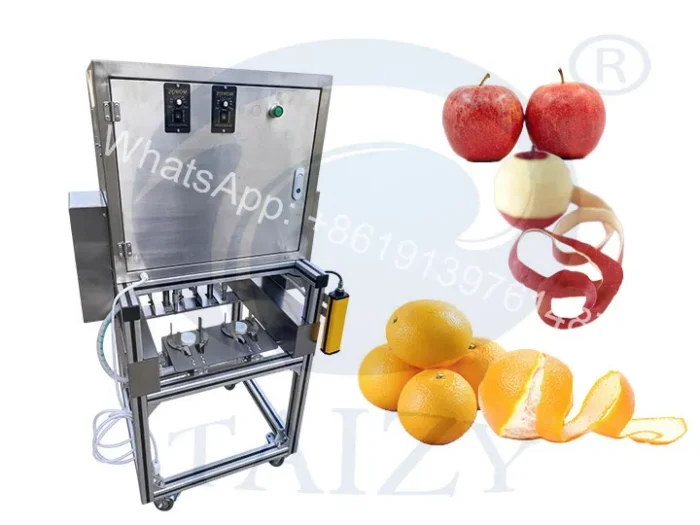
Is an Automatic Fruit Peeling Machine Right for Your Operation?
An industrial fruit peeler is designed for commercial-scale production, not home kitchens or small market stalls. If you process fewer than 200 fruits per day, a handheld peeler or simple coring tool remains more economical.
You need an automatic fruit peeling machine when:
- Your daily processing exceeds 1,000 fruits (8-hour shift).
- Labor costs for manual peeling consume more than 15% of your product margin.
- Peel thickness consistency affects your final product price (e.g., premium canned pears or dried fruit slices).
- Food safety regulations require stainless steel contact surfaces and minimal human handling.
Commercial fruit peeling equipment typically pays for itself within 6–12 months when replacing 3–5 full-time peeling workers. If your operation is smaller, consider semi-automatic tabletop models instead of floor-standing industrial units.
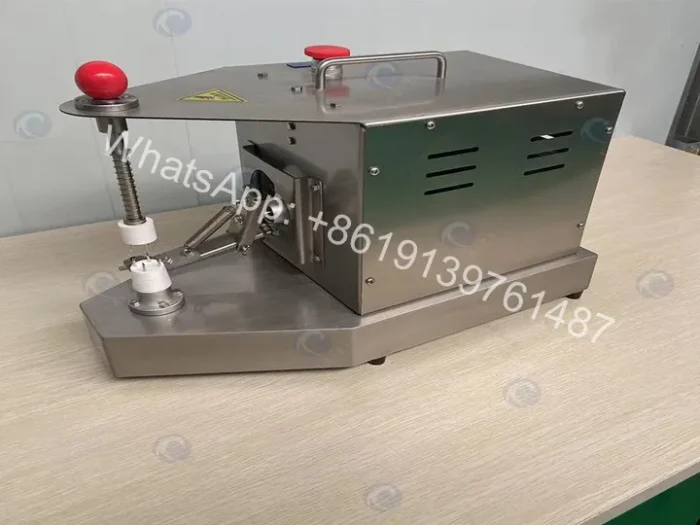
What Processing Capacity Do You Actually Need?
Capacity determines whether you need a single-station, dual-station, or fully continuous system.
Calculate your real need:
- Count fruits processed per day, not per week.
- Divide by your working hours to get hourly throughput.
- Add 30% buffer for fruit size variation and operator loading time.
Common capacity tiers:
- 500–800 pcs/hour: Single-station machines for small canneries or pilot plants.
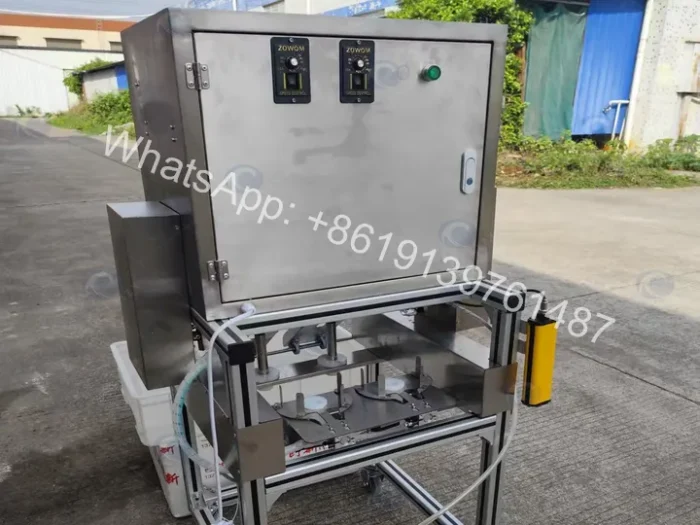
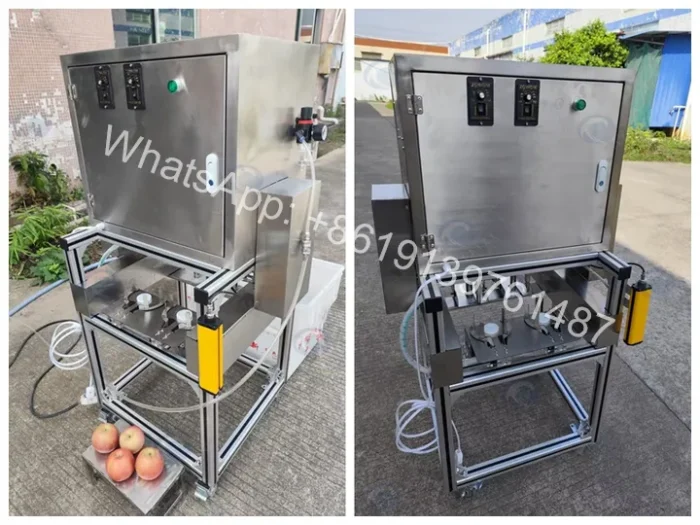
- 1,000–1,200 pcs/hour: Dual-station models (like the Taizy ZH-XL280) for medium factories.
- 2,000+ pcs/hour: Fully automatic conveyor systems with multiple peeling heads.
Do not buy maximum capacity hoping to grow into it. A fruit peeler machine running at 30% capacity wastes energy and accelerates blade wear due to frequent start-stop cycles. Size for your current contracts, not hypothetical expansion.
Which Peeling Technology Suits Your Fruit Type?
Different fruits require different mechanical approaches. The wrong technology damages pulp or leaves excessive peel residue.
Pneumatic Rotary Peeling (Best for Pears, Apples, Kiwis)
This method clamps the fruit vertically and rotates it against a stationary blade. It produces a continuous spiral peel with minimal pulp loss. Ideal for round to oval fruits with firm flesh.
Best applications: Pear canneries, apple chip producers, kiwi processing.
Abrasive or Brush Peeling (Best for Citrus, Potatoes)
Rotating brushes or abrasive rollers remove skin through friction. Suitable for fruits with thick, textured skins but too harsh for soft pears.
Knife-Blade Peeling (Best for Irregular Shapes)
Articulating arms with curved blades follow the fruit contour. Necessary for mangoes or papayas but slower and more expensive.
Critical check: Can the machine handle your fruit’s diameter range? A dual-station industrial fruit peeler typically accommodates 60–100 mm diameter fruits. Verify this against your raw material supply.
How Do Power and Air Supply Requirements Affect Your Choice?
Infrastructure constraints eliminate options faster than budget limitations.
Voltage requirements:
- 220V single-phase: Standard for dual-station machines like the ZH-XL280. Suitable for facilities with standard commercial power.
- 380V three-phase: Required for high-capacity continuous systems or large compressors.
- 110V/60Hz: Must be specified for North American markets; not all manufacturers stock this configuration.
Pneumatic requirements: Most automatic peelers require compressed air for clamping. The Taizy dual-station model requires a 50L+ air compressor delivering 0.6–0.8 MPa. Confirm whether the quoted price includes the compressor or if you must source it separately. An undersized compressor causes clamping failure and uneven peeling.
What Should You Check Before Ordering a Commercial Fruit Peeler?
Material and construction:
- Full SS304 stainless steel for all food-contact parts. Partial stainless steel corrodes when exposed to fruit acids.
- IP65-rated electrical components for wash-down environments.
Changeover flexibility:
- Can you switch from pears (80 mm) to kiwis (60 mm) in under 10 minutes?
- Are spare blades and clamp pads included or sold separately?
Safety and compliance:
- Emergency stop buttons within operator reach.
- Safety interlocks that stop blades when guards open.
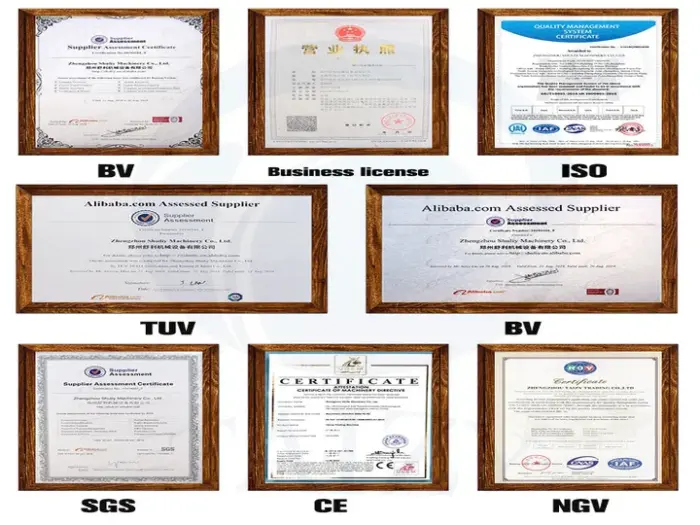
- CE marking for European operations.
Supplier verification:
- Request video testing with your actual fruit variety. A machine that peels a firm Asian pear perfectly may crush a soft Bartlett.
- Ask for references from factories in your region with similar climate conditions (humidity affects pneumatic seals).
Related Products
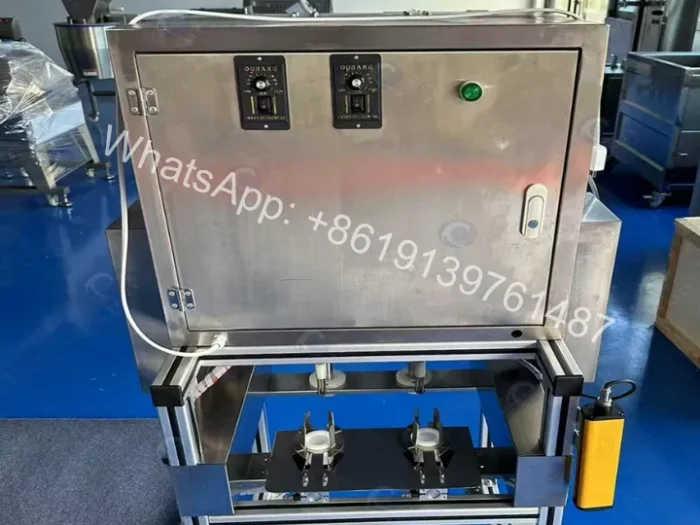
- Automatic Fruit Peeling Machine — Dual-station model for pears, kiwis, and citrus
- Fruit Vegetable Washing and Drying Line — Pre-wash fruits before peeling
- Industrial Vegetable Dehydration Machine — Dry peeled fruits for snacks
Are You Looking For an Industrial Fruit Peeler?
The right automatic fruit peeling machine matches your daily volume, fruit type, and power infrastructure. Start by calculating real hourly needs, verify pneumatic and electrical requirements, and insist on food-grade stainless steel construction.
Ready to compare specific models? Contact Taizy Machinery with your fruit type, diameter range, and target capacity. We will recommend the right industrial fruit peeler configuration and provide a factory test video before you order.